
As the long, cold months of winter and the rainy weeks of spring finally give way to the bright, sunny days of summer, homeowners often breathe a sigh of relief. It is a time for backyard barbecues, relaxing on the patio, and enjoying the longer daylight hours. However, the transition into summer also brings a unique set of harsh weather conditions that can put a significant amount of stress on your property. From blistering heat waves and high humidity to sudden, violent thunderstorms and heavy downpours, the summer environment tests the resilience of your house in profound ways.
Unfortunately, many property owners treat seasonal maintenance as an afterthought. Ignoring the small, seemingly insignificant upkeep tasks usually leads to major, catastrophic failures right when you need your home’s systems the most. Waiting for a system to break down completely before addressing it is a reactive approach that almost guarantees you will be paying premium emergency rates, waiting days for parts, and suffering through uncomfortable living conditions in the meantime.
The solution to avoiding these stressful scenarios is to adopt a proactive mindset. By following a comprehensive, methodical checklist, you can identify minor wear and tear before it escalates into a severe problem. Taking the time to inspect your property, clean essential components, and evaluate the performance of your household systems will not only save you a considerable amount of money in the long run, but it will also dramatically improve your property’s energy efficiency. Furthermore, regular upkeep protects your investment, ensuring your property retains its value year after year.
This guide is designed to serve as your ultimate roadmap for summer preparation. We have broken down the necessary tasks into specific zones, allowing you to tackle them logically without feeling overwhelmed. We will explore how to optimize your indoor climate control, secure your exterior boundaries, fortify your top-level defenses against severe weather, manage your water systems, and maintain the daily utility machines that keep your household running smoothly.
Optimizing Your Airflow for Peak Summer Heat

When the temperature outside begins to climb, your indoor cooling system becomes the most critical component of your daily comfort. These complex machines are asked to work tirelessly, often running non-stop during the hottest weeks of the year. To ensure your system can handle this heavy workload without consuming massive amounts of electricity or suffering a mechanical breakdown, you must optimize its operating environment.
First, you need to look at the outdoor condenser unit. This metal box sitting outside your house needs adequate space to pull in fresh air and exhaust the heat it has removed from your home. Over the spring, it is highly likely that grass, weeds, bushes, and vines have grown up around the base of the unit. You need to clear a minimum of two feet of space around the entire perimeter of the condenser. Trim back any landscaping, rake away dead leaves, and ensure there are no low-hanging branches blocking the top of the unit. If the system is suffocated by debris, the compressor has to work twice as hard, leading to overheating and premature failure.
Inside the house, your focus should be on the filtration system. The air filter is the lungs of your cooling setup. During the summer, an abundance of dust, pollen, pet dander, and other airborne particulates circulate through your rooms.
-
Check filters every 30 days: During peak usage months, a visual inspection of your filter should be a monthly habit.
-
Choose the right MERV rating: A Minimum Efficiency Reporting Value (MERV) rating between 8 and 11 is usually ideal for standard residential homes. It captures a high percentage of allergens without restricting airflow. Going too high (like a MERV 13 or 14) can actually choke the system if your blower motor isn’t rated for it.
-
Keep a backup supply: Always buy filters in bulk so you never have an excuse to leave a dirty, clogged filter in the return vent.
You also need to rely on your senses to monitor the health of your cooling equipment. Listen closely to the sounds the machine makes when it cycles on and off. A healthy system operates with a steady, consistent hum. If you begin to hear violent banging, high-pitched squealing, or continuous hissing, these are immediate red flags. Banging often indicates a loose part or a failing motor mount, while hissing is a telltale sign of a refrigerant leak. Additionally, if the unit is running but blowing room-temperature or warm air from the vents, the cooling cycle has been compromised. At this point, basic troubleshooting is no longer sufficient. You will need to schedule an ac repair to diagnose the mechanical failure. Ignoring these warning noises and hoping they go away will inevitably lead to a complete system crash, resulting in a massively expensive HVAC repair that could leave your family sweating in a sweltering house for days while you wait for replacement parts.
Planning Long-Term Climate Control Strategies

While basic cleaning and filter changes keep a functional system running, summer is also the ideal time to evaluate the long-term viability of your climate control infrastructure. Homeowners must be realistic about the lifespan of their mechanical systems. A standard central cooling unit has an average life expectancy of 10 to 15 years, provided it has been meticulously maintained. If your equipment is approaching or has surpassed this age bracket, you are likely operating on borrowed time.
One of the most significant indicators that your system is failing is a steady, unexplained increase in your monthly utility bills. As internal components wear out, motors lose efficiency, and coils become degraded, the machine must draw more electricity to produce the same amount of cooling. If you find yourself constantly adjusting the thermostat to stay comfortable, but your house still feels humid and sticky, the system is no longer capable of handling the cooling load.
When you reach this stage, pouring money into temporary fixes is a poor financial decision. Instead, use the early summer months to consult with reputable ac installers to discuss upgrading to a modern, high-efficiency model. Today’s units are measured by their Seasonal Energy Efficiency Ratio (SEER). A modern system with a high SEER rating can drastically reduce your monthly energy consumption, often paying for itself over the course of a few years through reduced utility costs.
-
Request Multiple Estimates: Always get at least three quotes from licensed professionals. Look for detailed breakdowns of equipment costs, labor, and warranty terms.
-
Consider System Sizing: Ensure the contractor performs a Manual J load calculation to properly size the new unit for your home’s specific square footage and layout. An oversized unit will short-cycle, while an undersized unit will run continuously.
-
Look into Rebates: Many local utility companies and government programs offer financial incentives for upgrading to energy-efficient equipment.
Furthermore, smart homeowners use the summer months to think about the upcoming winter. It may seem counterintuitive to worry about heating when it is ninety degrees outside, but summer is considered the off-season for heating professionals. Because their schedules are wide open, you can often secure discounted rates for comprehensive inspections and preventative maintenance. Pre-booking these appointments ensures that any necessary furnace repairs are completed long before the first autumn frost arrives. By addressing your heating needs when you have zero immediate demand for heat, you eliminate the stress of autumn scheduling backlogs and guarantee your home will be warm and safe the moment the seasons change.
Securing and Enjoying Your Backyard Oasis

Summer is synonymous with outdoor living. Your backyard serves as an extension of your home’s square footage, providing a private sanctuary for entertaining, relaxing, and playing. However, the harsh conditions of winter and the volatile storms of spring can take a severe toll on your outdoor structures. Before you host your first summer gathering, a thorough inspection and revitalization of your backyard perimeter and recreational areas is essential.
Start by walking the entire property line to inspect your boundary structures. Whether your perimeter is constructed from traditional wood, low-maintenance vinyl, or ornamental iron, it requires annual assessment.
-
Wooden Structures: Look for signs of rot, particularly at the base of the posts where they meet the soil. Probe any soft spots with a screwdriver. Wood is also highly susceptible to termite damage; keep an eye out for mud tubes or hollow-sounding timber. Check for warped panels, popped nails, and splintering rails.
-
Vinyl and Metal: Inspect vinyl panels for cracks caused by freezing winter temperatures or impacts from flying debris. For metal structures, look for patches of rust that need to be sanded down and resealed with a rust-inhibiting paint.
-
Structural Integrity: Lean gently against the posts to ensure they are firmly anchored in the ground. If you discover leaning posts, extensive rot, or missing panels, it is crucial to address the problem immediately. High summer winds from severe thunderstorms can easily topple a weakened structure. Calling in a professional fence repair service can help stabilize the posts, replace damaged sections, and ensure your boundary remains secure and visually appealing.
If your backyard features a swimming area, ensuring its surrounding infrastructure is sound is paramount for enjoyment and safety. For homes located in regions with high bug populations or frequent debris, an enclosure is often necessary. These structures are fantastic for keeping leaves out of the water and providing a barrier against harsh UV rays, but the mesh is delicate.
Conduct a detailed inspection of every screen panel. Look for small tears, holes, or sections where the mesh has pulled away from the metal frame. Even a tear the size of a dime is enough to allow mosquitoes, wasps, and other pests to infiltrate your sanctuary. Additionally, check the rubber splines that hold the mesh in the tracks; over time, UV exposure can cause the rubber to dry rot and become brittle. Examine the aluminum frame for signs of oxidation or loose anchor bolts. If you find significant tearing or structural weakness, scheduling a local pool screen repair early in the season is the best course of action. Fixing these tears ensures that your swimming area remains a pristine, comfortable, and bug-free environment for the duration of the summer.
Fortifying Your Home’s Top Defense Against Summer Storms
The roof over your head is your property’s primary shield against the elements. It takes the brunt of brutal UV radiation, torrential downpours, and violent hail. Because it is largely out of sight, it is frequently out of mind for many homeowners—until a water stain appears on the living room ceiling. By the time water breaches the interior of your home, massive structural damage has usually already occurred within the attic and insulation.
To prevent this, you must conduct a thorough, early-summer assessment of your roofing system. However, safety must always be the priority. Climbing onto a pitched surface without the proper safety harnesses and experience is incredibly dangerous. Instead, grab a pair of binoculars and perform a comprehensive visual inspection from the ground. Walk around the entire perimeter of your house, scanning the surface from different angles.
-
Examine the Shingles: Look for shingles that are cracked, curling at the edges, or missing entirely. Pay close attention to the texture; if the protective granules have washed away, exposing the bare fiberglass underneath, the shingle is nearing the end of its life.
-
Inspect the Flashing: The metal flashing around chimneys, skylights, and vent pipes is notorious for failing before the shingles do. Check to see if the metal is rusted, bent, or if the waterproof sealant has dried out and cracked.
-
Check the Valleys: The valleys where two sloping roof lines meet channel the most water. Ensure these areas are free of debris and that the underlying materials are intact.
Equally important to the roof itself is the water management system attached to it. Your gutters and downspouts are designed to catch the massive volume of water that sheds off your home during a summer storm and safely direct it away from the foundation. If gutters are clogged with spring seed pods, pine needles, and dead leaves, the water has nowhere to go. It will back up under the shingles, rot the fascia boards, and eventually pour over the sides, pooling directly against your foundation walls, which can lead to catastrophic structural shifting and basement flooding. Clean the gutters thoroughly and run a hose down the downspouts to ensure they are completely clear.
If your binocular inspection reveals missing shingles, damaged flashing, or sagging roof lines, do not attempt to patch it yourself with a tube of caulk. Summer storms are unforgiving, and a DIY patch job will not hold up against hurricane-force winds or heavy rainfall. Sourcing reliable local roof repairs immediately is essential. Professional contractors have the tools, safety equipment, and knowledge to properly weave new shingles into the existing layout and properly seal flashing, ensuring your home’s top defense remains impenetrable.
Preventing Water Damage and Managing Increased Usage
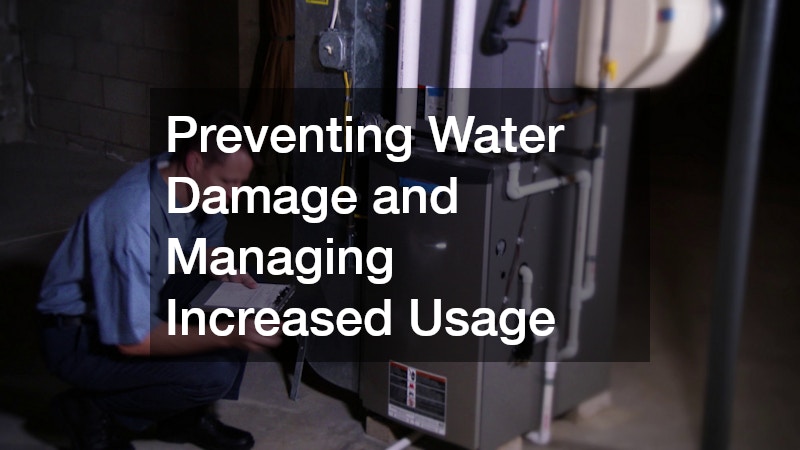
Summer dramatically alters how a household utilizes water. Between watering lawns, washing cars, hosting houseguests, and taking multiple showers a day to beat the heat, the demand placed on your home’s water delivery and drainage systems skyrockets. This increased volume can easily expose hidden weaknesses in your pipes, fixtures, and appliances.
Your exterior water management requires immediate attention. Begin by turning on your automated irrigation systems and carefully observing each zone.
-
Irrigation Inspections: Watch the sprinkler heads as they pop up. Are any of them broken, cracked, or failing to rotate? A single broken sprinkler head can waste thousands of gallons of water over a summer, simultaneously drowning your grass and spiking your utility bill.
-
Hose Bibs: Check your outdoor spigots. During the winter, if a hose was left attached, the water inside the pipe may have frozen and expanded, causing a microscopic fracture in the copper line just inside the wall. When you turn the spigot on for the first time in the summer, water can spray silently into your wall cavity. Turn on the spigot, block the flow of water with your thumb to build pressure, and listen carefully. If the pressure drops or you hear water running inside the wall, turn off the main water supply immediately.
Inside the house, the increased activity often leads to sluggish drainage. Beach sand, dirt from outdoor play, and extra hair from frequent showering can quickly accumulate in the traps beneath your sinks and tubs. If you notice water taking longer than usual to drain, avoid reaching for harsh chemical drain cleaners. These caustic chemicals generate intense heat that can warp PVC pipes and eat away at older metal plumbing. Instead, use an enzymatic drain cleaner that uses natural bacteria to digest organic clogs overnight. However, if multiple drains in the house are backing up simultaneously, or if sewage is bubbling up into the bathtubs, you are facing a severe main line blockage. Tree roots aggressively seek out moisture during the dry summer months and can crush or infiltrate subterranean sewer lines. This is not a problem that can be solved with a plunger; it requires an immediate plumbing repair utilizing commercial-grade augers and fiber-optic sewer cameras to clear the obstruction.
Finally, do not neglect the workhorse of your daily hygiene: the water heater. Even in the summer, this appliance is constantly running. Over time, naturally occurring minerals in the water supply settle at the bottom of the tank, creating a thick layer of sediment. This sediment acts as an insulator between the heat source and the water, forcing the machine to run longer and hotter to achieve the desired temperature, which wastes energy and weakens the steel tank.
-
Flushing the Tank: Turn off the power or gas supply to the unit. Attach a standard garden hose to the drain valve at the bottom of the tank and route the other end to a floor drain or outside. Open the valve and let a few gallons flush out until the water runs clear of rusty, sandy debris.
-
Safety Warning: If you attempt to open the drain valve and it is heavily corroded, stuck, or begins to leak continuously after you close it, stop immediately. Furthermore, if the tank itself is weeping water from the seams or the pressure relief valve is constantly discharging, the internal integrity of the tank is compromised. Relying on professional plumbing services to evaluate the tank, replace the valves, or install a completely new unit is the safest and most efficient way to ensure your household has a reliable supply of hot water all season long.
Maintaining the Hardworking Machines in Your Home
Beyond the structural elements and major climate systems, the daily convenience of your modern life relies heavily on a fleet of hard-working household machines. The refrigerator, the washing machine, the dryer, and the dishwasher all experience a massive surge in usage during the summer months. Families are home more often, leading to more cooking, more dirty dishes, and significantly more laundry. Maintaining these machines is vital for extending their lifespan and preventing sudden, disruptive breakdowns.
The refrigerator is arguably the most vital machine in your kitchen, and it is highly susceptible to the summer heat. As the ambient temperature in your kitchen rises, the refrigerator’s compressor must run longer cycles to maintain safe food storage temperatures inside. The key to helping it run efficiently lies in the condenser coils, which are typically located either behind the unit or tucked underneath it behind a kickplate grille. These coils are magnets for dust, pet hair, and kitchen grease. When the coils are coated in grime, they cannot effectively release heat, causing the compressor to overheat.
-
The Cleaning Process: Unplug the refrigerator to ensure safety. If the coils are on the bottom, remove the base grille and use a narrow vacuum attachment combined with a stiff coil-cleaning brush to pull out the matted dust. If the coils are on the back, carefully pull the fridge away from the wall and vacuum the entire grid. Doing this twice a year can add years to the life of the appliance.
The laundry room contains another critical maintenance task that is frequently overlooked but poses a severe danger: the clothes dryer. During the summer, you wash more heavy beach towels and cotton clothing, generating an enormous amount of lint. While you should be cleaning the lint trap inside the machine after every single load, lint also escapes and builds up inside the flexible exhaust hose and the wall ducting.
-
The Fire Hazard: The combination of dry lint and the extreme heat generated by the dryer is a perfect recipe for a house fire. Furthermore, a clogged vent forces the dryer to run multiple cycles just to dry one load of clothes, wasting electricity and destroying the heating element.
-
Deep Cleaning: Disconnect the dryer from the power source and pull it away from the wall. Disconnect the flexible exhaust duct and vacuum it out thoroughly. Use a specialized duct cleaning brush attached to a power drill to sweep the rigid wall ducting all the way to the exterior vent hood. Ensure the flapper on the outside of the house opens and closes freely and is not blocked by bird nests or overgrown bushes.
While basic cleaning and preventative maintenance are well within the capabilities of most homeowners, it is crucial to recognize the limits of do-it-yourself fixes. Modern machines are incredibly complex, relying on intricate computer control boards, sensitive sensors, and high-voltage electrical components. If your dishwasher stops draining, your washing machine refuses to spin, or your refrigerator freezer suddenly thaws out, tampering with the internal electronics without the proper diagnostic equipment is dangerous and will likely void your warranty. Sourcing professional appliance repair services is essential in these situations. Certified technicians possess the specific schematics, multimeters, and OEM replacement parts required to correctly diagnose the fault codes and restore your machinery to perfect working order safely.
Conclusion
Transitioning your property into the warmer months does not have to be an overwhelming or stressful endeavor. By breaking down the massive concept of seasonal upkeep into manageable, logical zones, you can systematically address every vulnerability before it becomes an emergency. The key to successful property management is consistency and a willingness to be proactive rather than waiting for disaster to strike.
Taking the time to clear away debris, inspect boundaries, clean essential filters, and assess the integrity of your exterior defenses requires only a small investment of your time on the weekends. Yet, this small investment yields massive returns. It protects you from the exorbitant costs of emergency, middle-of-the-night breakdowns. It ensures that your utility bills remain as low as possible despite the rising temperatures. Most importantly, it creates a safe, comfortable, and highly efficient environment for your family to enjoy.
Do not attempt to complete every single task on this checklist in one afternoon. Instead, dedicate one Saturday morning to inspecting the roof and gutters, and the next to flushing the water heater and cleaning out the dryer vents. By pacing yourself and diligently working through these specific zones, you can rest easy. You will gain the ultimate peace of mind knowing that your property is thoroughly fortified, meticulously maintained, and completely ready to handle whatever challenges the summer season brings your way.