In this article, we will explore valuable insights from professional exterior painters. By understanding their best tips, you can enhance your home’s curb appeal and ensure a longer-lasting paint job. Exterior painting can often be a daunting task for homeowners, but with the right guidance, you can achieve professional results.
Our aim is to provide you with practical advice that draws on the expertise of seasoned painters who know the challenges specific to outdoor painting projects. These tips are especially useful for those who are either embarking on a DIY venture or are interested in what professionals bring to the table.
What Are the Best Exterior Paints For My Home?
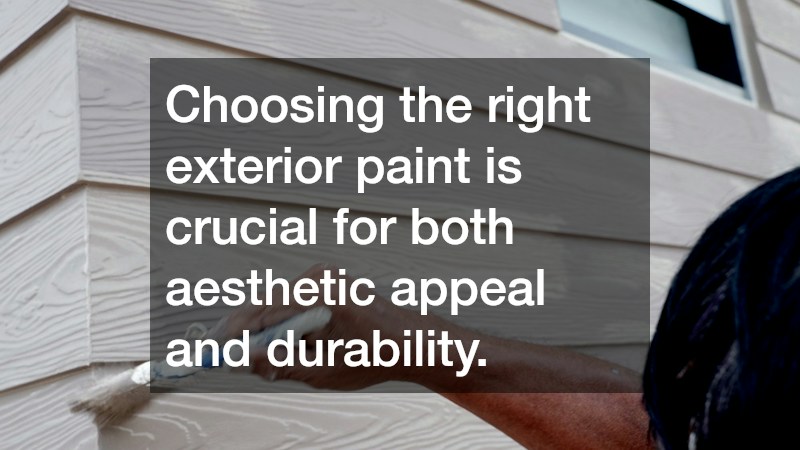
Choosing the right exterior paint is crucial for both aesthetic appeal and durability. Professional exterior painters recommend selecting premium quality paints that are specifically designed to withstand harsh weather conditions. These paints often contain superior binding agents and UV blockers that protect against fading and peeling. Consider paints that also offer mildew resistance, especially if you live in a humid area, as they help maintain the pristine look of your home. Additionally, it’s important to match your paint style with the architectural design of your house to enhance its overall beauty.
The color you choose plays a significant role in the performance and appearance of your exterior surfaces. Lighter colors tend to reflect more sunlight, preventing overheating and saving on energy costs during hot seasons. Darker shades can offer a cozy and traditional look but may require frequent touch-ups due to heat absorption. Exterior painters often suggest muted earth tones that blend naturally with the environment, offering a sophisticated and timeless look. No matter your choice, always test your colors in small areas to see how they appear in different lighting conditions.
Another crucial consideration is the finish of the paint, which affects both aesthetics and longevity. Matte finishes provide a classic look but can be prone to gathering dirt more easily. Semi-gloss and gloss finishes, on the other hand, offer more protection and are easier to clean, which is ideal for high-touch areas like doors and window frames. When selecting exterior paints, always compare the warranty and coverage details offered by different brands. Consulting with professional painters can help you navigate through these choices to select the best option for your home.
How Can I Prepare My Home’s Exterior For Painting?
The key to a successful and durable painting job lies heavily in the preparation phase. To start, exterior painters recommend thoroughly cleaning the surface to remove any dirt, mold, or old paint residues. Pressure washing can effectively strip away grime, but caution should be taken to avoid damaging the siding. Once clean, it’s essential to inspect for any cracks or holes, which should be sealed with a quality caulk to prevent moisture infiltration. This step not only makes your finish look smoother but also protects your home from potential water damage.
Next, scraping and sanding are vital for creating a smooth surface ready for a new coat of paint. Proper sanding can help soften rough edges, allowing paint to adhere better and reveal a more even appearance. Prime bare wood and problem areas with a suitable primer to enhance paint adhesion and provide a uniform finish. Primer also serves to block stains and prevents tannins from bleeding through the topcoat. It’s often observed by exterior painters that neglecting this step can lead to peeling paint and an irregular appearance.
What Are Common Mistakes to Avoid When Painting Exteriors?
While painting the exterior of your home, certain common mistakes can severely impact the quality and longevity of your paint job. One frequent error is painting in unsuitable weather conditions. Professionals advise that exterior painting should be done when the temperature is between 50 and 85 degrees Fahrenheit and humidity is low. Painting during rainy or excessively humid weather can lead to slow drying times, resulting in blistering or bubbling paint. Thus, checking the weather forecast before beginning a project is crucial.
An additional blunder that homeowners might make is neglecting the surrounding landscape. Bushes, trees, or gardens that are too close to your home can obstruct the painting process and cause inconvenience. Consider trimming or temporarily covering greenery to maintain a safe distance and avoid accidental plant damage. Another oversight is not taking personal safety precautions seriously. Wearing masks, eyewear, and gloves is recommended when handling paints and chemicals to minimize exposure to potentially harmful substances.
By applying these tips from professional exterior painters, you can achieve a stunning and durable finish for your home. Whether you’re planning a DIY project or hiring a pro, these insights will ensure your paint job is successful. Remember that the key to a long-lasting exterior finish lies not only in the application process but also in meticulous preparation. Take your time to choose the right materials and execute each step carefully. With expert advice and a cautious approach, you can transform your home’s exterior to not only look beautiful but also stand the test of time.