- Know your couch fabric and care codes: Always check the manufacturer’s tag (W, S, WS, X) before cleaning to avoid damaging the material.
- Act quickly on spills and stains: Blot immediately instead of rubbing, and use fabric-specific cleaners to prevent permanent damage.
- Vacuum and maintain regularly: Weekly vacuuming removes dust, crumbs, and pet hair, keeping your couch fresh and extending its lifespan.
- Use the right cleaning method for each fabric: Leather, microfiber, velvet, cotton, linen, and synthetics all require different cleaning techniques for best results.
- Deep clean periodically: Conduct a thorough deep clean 2–3 times a year (or more for high-traffic homes) using steam or upholstery cleaners to remove embedded dirt, oils, and allergens.
- Protect against pets and odors: Use washable throws, pet-safe cleaners, and deodorizing methods like baking soda or fresh air to maintain a clean, odor-free couch.
- Prevent damage and restore appearance: Rotate cushions, brush fabrics, condition leather, and use slipcovers or decorative throws to keep your couch looking brand new.
Couches are more than just furniture—they’re where you relax after a long day, host friends, and sometimes even eat dinner. Over time, spills, dirt, dust, and pet hair can make your couch look less inviting. Knowing how to clean a couch properly ensures it stays fresh, comfortable, and long-lasting. In this guide, we’ll break down methods for every fabric type, discuss everyday maintenance, and share pro tips to keep your couch looking brand new.
Why Cleaning Your Couch Matters
Many homeowners underestimate the importance of regular couch cleaning. A clean couch:
- Extends the life of your furniture
- Prevents odors from building up
- Reduces allergens like dust mites and pet dander
- Maintains your home’s aesthetic and comfort
Skipping regular cleaning can lead to stains that are impossible to remove and fabrics that wear out faster. But don’t worry—we’ve got every fabric type covered.
How Often Should You Clean Your Couch?
The frequency of cleaning depends on usage, household habits, and pets. General guidelines include:
- High-traffic couches: Once every 1–2 months for light cleaning; deep cleaning every 6 months
- Moderate use: Monthly light cleaning; deep cleaning twice a year
- Pet owners: Weekly vacuuming; deep cleaning every 3–4 months
Routine maintenance can prevent small spills and dirt from becoming stubborn stains.
How to Clean a Couch: Preparation Tips
Before diving into fabric-specific techniques, preparation is key. Proper preparation ensures you don’t damage your couch and makes the cleaning process much easier.
Check the care tag:
Most couches have a care tag with cleaning codes. These codes tell you what cleaning method is safe for your fabric:
- W: Use water-based cleaners. You can mix mild soap with water.
- S: Only solvent-based cleaners are safe; water could damage the fabric.
- WS: Both water or solvent cleaners are safe.
- X: Only vacuuming is allowed; no liquids should be used.
Vacuum thoroughly:
Start by removing all crumbs, pet hair, and debris. Use a vacuum with a brush attachment to get into seams, under cushions, and tight corners. Vacuuming first prevents dirt from spreading when you start cleaning.
Spot test cleaners:
Always test your chosen cleaner on a hidden area of your couch. Even mild soap or solvent can cause discoloration or damage certain fabrics, so a test ensures the main areas stay safe.
Remove cushions and covers if possible:
If your couch has removable covers, take them off and follow the washing instructions. Machine-washable covers can often be washed with mild detergent on a gentle cycle, then air-dried. Removing cushions also makes it easier to clean under them and reach hidden dirt.
How to Clean a Couch Based on Fabric Type
Different fabrics react differently to cleaning methods. Using the wrong approach can damage the material or leave stains worse than before. Here’s how to clean common couch fabrics properly.
1. How to Clean a Leather Couch
Leather is stylish and long-lasting but can crack or fade if treated incorrectly.
Steps:
- Vacuum dust and crumbs using a soft brush attachment. Avoid hard bristles that can scratch the surface.
- Mix a mild soap like dish soap with warm water to create a light solution. Avoid strong chemicals that strip oils.
- Dampen a microfiber cloth with the solution and gently wipe the surface. Avoid soaking leather, which can warp or stain.
- Immediately dry the area with a clean, dry towel. Leaving leather wet can cause damage.
- Apply a leather conditioner every 6–12 months to maintain softness and prevent cracking.
Tips:
- Avoid ammonia-based or harsh chemical cleaners.
- For stubborn stains, use a specialized leather cleaner following instructions.
- Keep leather away from direct sunlight or heat, which can cause fading and drying.
2. How to Clean a Microfiber Couch
Microfiber is soft, stain-resistant, and easy to maintain if cleaned properly.
Steps:
- Check the care tag for cleaning codes (W or S).
- For water-safe microfiber (W or WS):
- Mix a small amount of mild dish soap with water.
- Use a soft cloth or sponge to blot stains gently, working from the outside toward the center to avoid spreading the stain.
- Wipe with a damp cloth to remove soap residue and let air dry.
- For solvent-only microfiber (S):
- Apply a solvent-based cleaner according to the instructions. Do not use water, as it may leave spots or cause shrinkage.
Tips:
- After cleaning, brush microfiber gently with a soft brush to restore the original texture.
- Avoid over-wetting the fabric, which can create water marks.
3. How to Clean a Velvet Couch
Velvet adds luxury to a room but can be challenging to clean because it attracts dust and shows marks easily.
Steps:
- Vacuum with a brush attachment to remove dust and dirt. Be gentle to avoid crushing the fibers.
- For water-safe velvet:
- Use a small amount of water-based cleaner on a microfiber cloth.
- Blot stains gently rather than scrubbing, to avoid crushing the pile.
- For delicate or non-water-safe velvet, consider professional or dry-cleaning solutions.
- After cleaning, use a soft brush or a velvet-specific brush to lift the nap and restore the plush look.
Tips:
- Always test cleaners in an inconspicuous area.
- Avoid using too much water; velvet absorbs liquids easily and may warp.
- Brush the fabric in the direction of the nap for an even finish.
4. How to Clean a Cotton Couch
Cotton is durable and breathable but absorbs spills quickly, which makes prompt cleaning important.
Steps:
- Vacuum to remove crumbs and dust.
- Mix a mild detergent with warm water for spot cleaning.
- Blot stains gently with a soft cloth, avoiding aggressive rubbing that can fray fibers.
- If removable, machine-wash cushion covers according to care instructions.
- Air-dry completely to prevent mold and mildew growth.
Tips:
- Natural sunlight can deodorize and sanitize cotton but avoid prolonged exposure that might fade the color.
- Routine vacuuming prevents dirt from embedding in the fabric over time.
5. How to Clean a Linen Couch
Linen is strong, breathable, and natural but wrinkles and stains easily.
Steps:
- Vacuum to remove surface dirt and dust.
- Blot any spills immediately with a clean cloth.
- Apply a mild detergent solution for spot cleaning.
- For deep cleaning, professional services are recommended, especially for pure linen.
- Ironing is optional to maintain a smooth, polished look, but avoid high heat that could damage fibers.
Tips:
- Linen blends usually tolerate water better than pure linen.
- Avoid scrubbing, as aggressive cleaning can damage the weave.
- Test any cleaner on a hidden area first.
6. How to Clean a Synthetic Fabric Couch
Synthetic fabrics like polyester, acrylic, and nylon are generally more durable and stain-resistant than natural fibers.
Steps:
- Vacuum to remove dirt, crumbs, and hair.
- Mix warm water with mild dish soap.
- Blot stains using a damp cloth and rinse with plain water to remove soap residue.
- Air-dry or use a fan to speed drying if needed.
Tips:
- Synthetic fabrics can tolerate more vigorous cleaning, but avoid high heat that may warp or shrink fibers.
- Regular cleaning preserves color and texture for years.
How to Clean a Couch Stain Effectively
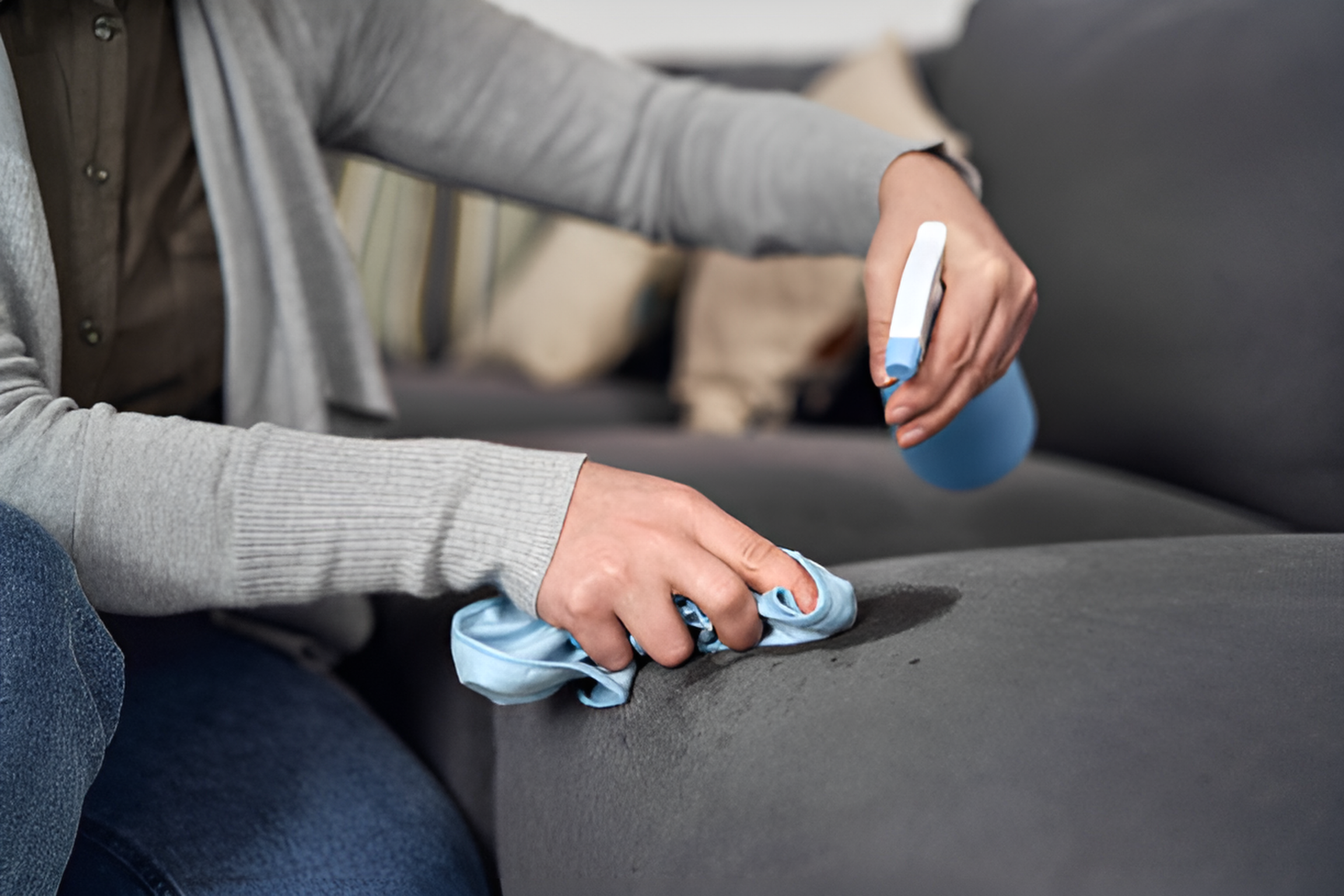
Stains happen even in the cleanest homes. The key to keeping your couch spotless is acting quickly and using the right cleaning methods for each type of stain.
Red Wine Stains:
- Blot the spill immediately with a clean, absorbent cloth or paper towel—do not rub, as rubbing spreads the stain.
- Sprinkle baking soda over the damp area to absorb moisture and lift some of the pigment. Leave it for 5–10 minutes.
- Mix a mild soap solution (warm water with a few drops of dish soap) and use a soft cloth to gently blot the stain.
- Rinse by blotting with a cloth dampened with plain water and allow to air dry.
Coffee or Tea Stains:
- Quickly blot up any excess liquid.
- Mix one part white vinegar with two parts water and apply to the stain using a soft cloth. Blot gently from the outside toward the center.
- Follow up by blotting with a clean damp cloth to remove the vinegar solution.
- Repeat if necessary and allow the area to dry completely.
Pet Stains (Urine, Vomit, or Feces):
- Remove solid material carefully with a spoon or paper towel.
- Blot the area with cold water to dilute the stain.
- Apply an enzyme-based cleaner specifically designed for pet stains to break down odors and bacteria.
- Let it sit for the recommended time, then blot dry.
- Air dry thoroughly and vacuum once dry to restore texture.
Grease or Oil Stains:
- Sprinkle cornstarch or baking soda over the stain to absorb the oil. Leave it for at least 15 minutes.
- Vacuum up the powder and gently blot the remaining stain with a mild soap solution.
- Avoid using water alone on grease, as it can spread the stain.
General Stain-Removal Tips:
- Act quickly: The longer a stain sits, the harder it is to remove.
- Blot, don’t rub: Rubbing can push stains deeper into fibers and damage the fabric.
- Test solutions first: Always try a new cleaner in an inconspicuous area to avoid discoloration or damage.
- Layered approach: For stubborn stains, repeat cleaning steps rather than applying excessive pressure or liquid at once.
How to Clean a Couch with Pets
Pets are wonderful companions, but they can bring hair, dirt, and odors to your couch. Maintaining a pet-friendly couch requires a combination of regular cleaning and preventive strategies.
Weekly Maintenance:
- Vacuum your couch at least once a week using a pet hair attachment or brush to remove loose hair, dirt, and dander.
- Brush your pets regularly to reduce shedding at the source.
Protection:
- Use washable throws, blankets, or slipcovers to protect the couch from hair, scratches, and accidents. These can be removed and washed easily.
Accident Cleanup:
- Use pet-safe cleaners designed to break down urine, feces, or vomit. Enzyme-based cleaners are best for odor elimination.
- Act quickly to blot and neutralize stains to prevent lingering smells.
Extra Tips:
- Keep pets’ claws trimmed to reduce snagging or scratching of fabric.
- Consider pet-specific furniture sprays or repellents if your pets favor certain spots.
How to Deodorize a Couch
Even if your couch looks clean, it can absorb odors from pets, food, smoke, and daily use. Regular deodorizing keeps it smelling fresh and inviting.
Baking Soda Method:
- Sprinkle a generous layer of baking soda over the couch cushions and fabric.
- Leave it for 15–30 minutes to absorb odors.
- Vacuum thoroughly using a brush attachment to remove all residue.
Fabric Sprays and Essential Oils:
- Use light fabric sprays or a few drops of essential oils mixed with water in a spray bottle.
- Lightly mist the couch and allow it to air dry. Avoid soaking the fabric.
Air Out Cushions:
- Remove cushions and place them in a well-ventilated room or outdoors on a dry day.
- Fresh air helps dissipate odors naturally and prevents damp smells from settling.
Extra Tips:
- Rotate cushions periodically to keep them evenly fresh.
- Avoid heavy sprays that may stain or leave residue on the fabric.
How to Deep Clean a Couch
Deep cleaning goes beyond surface dust and stains to remove embedded dirt, oils, allergens, and odors. It’s essential for keeping your couch looking and feeling like new.
Steps for Deep Cleaning:
- Remove cushions and vacuum thoroughly: Get into all corners, seams, and under cushions to remove dirt and crumbs.
- Pre-treat stains: Use fabric-specific cleaners to tackle visible spots before deep cleaning.
- Choose your method:
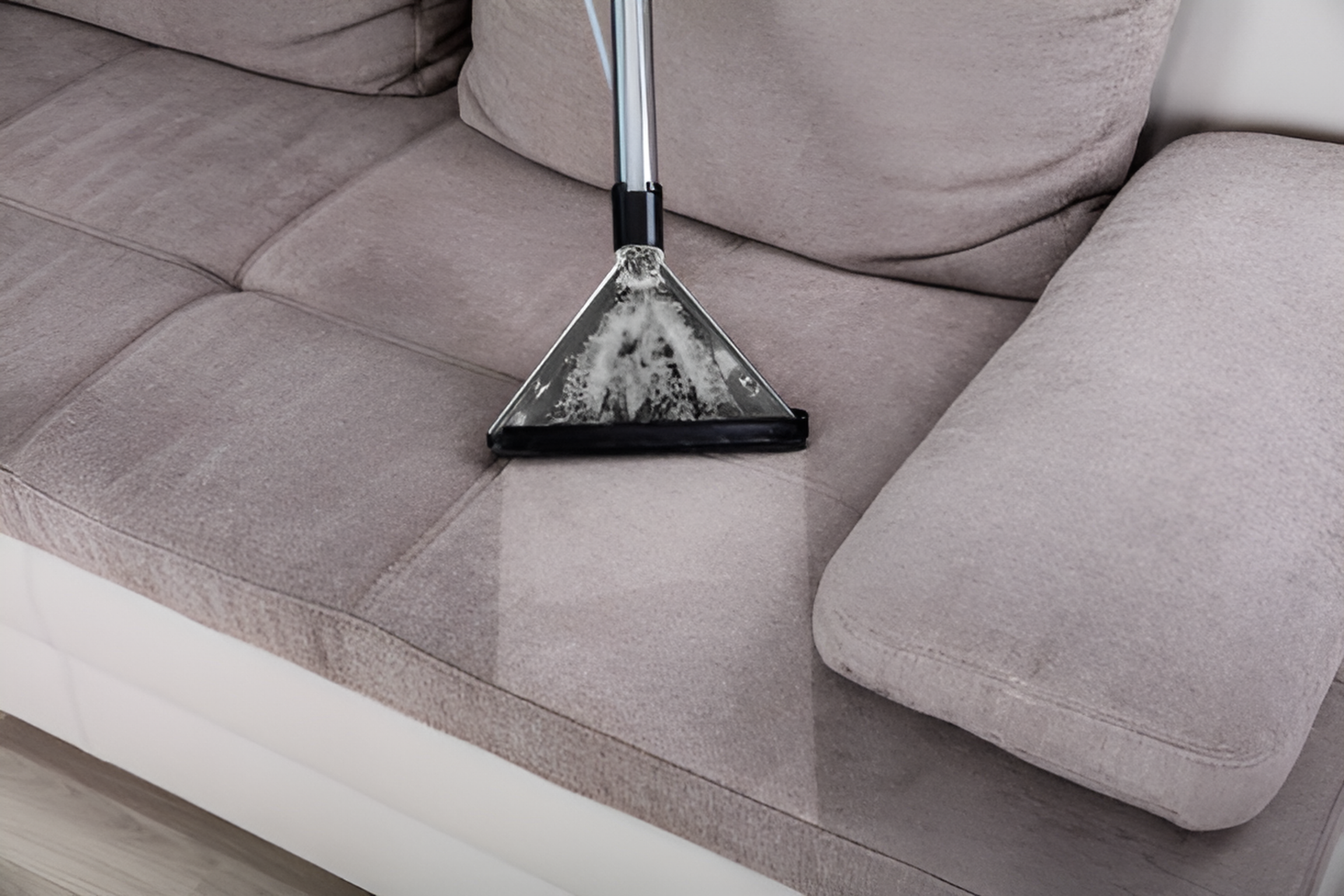
- Steam cleaner: Safe for many fabrics (check manufacturer recommendations). Steam lifts dirt and sanitizes without harsh chemicals.
- Upholstery cleaner: Machine or handheld cleaners designed for upholstery can remove embedded grime.
- Clean systematically: Work in sections from top to bottom to avoid missing areas.
- Dry completely: Allow the couch to air dry fully to prevent mold and mildew. Avoid sitting on damp cushions.
- Restore texture: For fabrics like microfiber or velvet, brush gently after cleaning to restore softness and pile.
Frequency:
- Deep clean your couch 2–3 times per year for average use.
- Increase frequency for high-traffic couches, homes with pets, or households with allergies.
Extra Tips:
- Always follow the manufacturer’s cleaning instructions to avoid voiding warranties.
- Consider using a fabric protector after deep cleaning to repel future stains.
DIY vs. Professional Couch Cleaning
Some couches are easy to clean at home, but others may need professional care.
DIY Cleaning Works Best For:
- Light stains
- Routine maintenance
- Water-safe fabrics like cotton, microfiber, or synthetics
Professional Cleaning Is Recommended For:
- Leather or delicate velvet
- Tough, set-in stains
- Odor elimination
- Large or heavily soiled couches
Professional services often include deep steam cleaning and stain protection treatments.
How to Maintain a Clean Couch Between Deep Cleans
Maintaining your couch is easier than you think.
- Vacuum weekly to remove dust and crumbs
- Rotate cushions to avoid uneven wear
- Blot spills immediately
- Use removable, washable covers for high-traffic areas
- Keep food and drinks on trays rather than directly on the couch
Common Mistakes to Avoid When Cleaning a Couch
Even experienced homeowners make mistakes:
- Rubbing stains instead of blotting
- Using too much water or cleaner on delicate fabrics
- Ignoring the manufacturer’s cleaning code
- Neglecting regular maintenance
- Skipping spot tests before using a new cleaner
Avoiding these mistakes prevents permanent damage and extends your couch’s life.
How to Make Your Couch Look Brand New Again
Cleaning is one part, but restoring your couch can elevate its appearance.
- Fluff and rotate cushions regularly
- Re-stretch slipcovers if they’re sagging
- Polish leather or condition as needed
- Brush microfiber and velvet to restore texture
- Add decorative pillows or throws for a refreshed look
A well-maintained couch can become the centerpiece of your living room.
Final Thoughts
Understanding how to clean a couch based on fabric type is key to maintaining comfort, beauty, and longevity. From leather to linen, each material has specific cleaning needs. Routine vacuuming, prompt stain treatment, and occasional deep cleaning keep your couch fresh, hygienic, and inviting. By following these steps, you can enjoy a cozy, clean, and stylish couch for years to come.