Home remodeling is about more than updating appearances or following design trends. The most successful projects focus on how a home supports daily routines, comfort, and long-term livability. As lifestyles evolve, homes often need adjustments to better reflect how spaces are actually used, whether that means improving functionality, increasing efficiency, or creating areas that feel more inviting. Thoughtful remodeling helps transform a house into a space that works seamlessly with everyday life rather than against it.
Many homeowners approach remodeling with a specific problem in mind, such as lack of storage, outdated finishes, or inefficient layouts. While these concerns are valid, a broader perspective often leads to better outcomes. Considering how different rooms connect, how movement flows through the home, and how changes will impact daily habits allows remodeling projects to deliver lasting value. Small improvements, when planned strategically, can significantly enhance comfort and reduce frustration over time.
Improving Kitchen Functionality and Flow
The kitchen is one of the most frequently used spaces in any home, making functionality and flow essential to daily living. A well-designed kitchen supports efficient movement, reduces clutter, and makes routine tasks easier to manage. Poor layouts, limited counter space, or insufficient storage can quickly turn everyday activities into sources of stress. Improving how the kitchen functions can have an immediate and noticeable impact on the overall comfort of the home.
When evaluating kitchen flow, it’s important to consider how the space is used throughout the day. Meal preparation, cleanup, entertaining, and casual gatherings all place different demands on the layout. Thoughtful design choices can improve accessibility, create clear work zones, and support smoother transitions between cooking, dining, and living areas. Even modest adjustments can help the kitchen feel more open, organized, and user-friendly.
Projects related to kitchen remodeling often focus on layout optimization, updated surfaces, and improved storage solutions. Adjusting cabinetry placement, expanding prep areas, or improving lighting can make the space more practical without requiring a full overhaul.
Upgrading Bathrooms for Comfort and Efficiency
Bathrooms play a critical role in daily routines, yet they are often overlooked when it comes to functionality and comfort. An outdated or inefficient bathroom can slow down busy mornings, feel cramped, or require frequent maintenance. Upgrading this space helps create a more comfortable environment while improving usability for all household members. Small changes can lead to big improvements in how the space feels and functions.
Comfort-focused upgrades often include better lighting, improved ventilation, and layouts that maximize usable space. Efficient fixtures can also reduce water usage while maintaining performance. Storage solutions that reduce clutter help bathrooms feel more relaxing and organized. These updates contribute to a smoother daily routine and a more pleasant experience overall, especially in shared or high-traffic bathrooms.
Coordinating bathroom upgrades often involves working with a general contractor who can manage multiple aspects of the project effectively. From layout adjustments to fixture installation, professional oversight helps keep improvements aligned with both functional goals and building requirements.
Enhancing Open Living Spaces
Open living spaces play a central role in how a home feels and functions on a daily basis. These areas often serve multiple purposes, from relaxing and entertaining to dining and working, which makes flexibility and visual balance especially important. When open spaces feel disconnected, cluttered, or visually dated, they can limit how comfortably the home is used. Thoughtful updates help these areas feel cohesive, welcoming, and easier to adapt to different activities throughout the day.
Improving open living spaces often starts with creating visual continuity. Color choices, finishes, and transitions between rooms all influence how smoothly the space flows. Strategic updates can make rooms feel larger, brighter, and more unified without changing the home’s footprint. Removing visual distractions and simplifying design elements helps the space support both everyday routines and special gatherings, improving overall livability.
One effective way to refresh open areas is through an interior painting service that aligns colors and finishes across connected rooms. Updated paint can define zones, highlight architectural features, and soften transitions between living, dining, and kitchen areas. Neutral palettes can create calm and consistency, while accent walls add depth without overwhelming the space.

Creating Functional Storage Solutions
Storage plays a major role in how organized and functional a home feels. When storage is insufficient or poorly designed, clutter can build up quickly, making even well-designed spaces feel cramped and chaotic. Creating functional storage solutions helps homeowners maintain order, improve efficiency, and reduce daily frustration. Well-planned storage supports smoother routines by keeping frequently used items accessible and out-of-sight clutter under control.
Effective storage solutions are designed around how a household actually uses each space. Kitchens, living areas, bedrooms, and entryways all have different storage needs that benefit from tailored solutions. Built-in options often provide better use of space than temporary or standalone furniture. Thoughtful storage design can also improve traffic flow and reduce visual noise, contributing to a more comfortable living environment.
Installing or upgrading cabinets is a common way to add long-lasting storage that blends seamlessly with the home’s design. Cabinets can be customized to fit specific spaces, accommodate unique storage needs, and enhance overall functionality. Whether used in kitchens, bathrooms, or living areas, well-designed cabinetry supports organization while adding structure and style.
Modernizing Lighting and Electrical Features
Lighting and electrical features influence both the functionality and atmosphere of a home. Outdated fixtures, poor lighting placement, or insufficient outlets can make spaces feel dim, inconvenient, or inefficient. Modernizing these systems helps improve safety, usability, and comfort while supporting how rooms are used throughout the day. Good lighting enhances visibility, highlights design features, and contributes to a more welcoming environment.
Updating lighting often involves balancing ambient, task, and accent lighting to suit different activities. Proper electrical planning also supports modern lifestyles that rely on multiple devices, smart technology, and flexible workspaces. Improving these features allows homeowners to use rooms more effectively while reducing reliance on temporary solutions like extension cords or supplemental lamps.
Working with electrician services allows lighting and electrical upgrades to be completed safely and efficiently. Professional expertise supports proper installation, code compliance, and thoughtful placement of fixtures and outlets. From updating lighting layouts to improving electrical capacity, these upgrades enhance everyday living by making spaces brighter, more functional, and better aligned with modern needs.
Improving Energy Efficiency Throughout the Home
Energy efficiency plays a major role in how comfortable and cost-effective a home is to live in. Homes that struggle with temperature control, drafts, or inconsistent comfort often place added strain on heating and cooling systems. Improving efficiency helps regulate indoor temperatures, reduce energy waste, and create a more stable living environment throughout the year. These improvements also support long-term savings by lowering utility costs and reducing wear on major systems.
Efficiency-focused remodeling often begins with identifying where energy loss occurs. Gaps in walls, attics, or crawl spaces can allow heat and cooled air to escape, making it harder to maintain consistent comfort. Addressing these issues improves indoor air quality and helps the home respond more predictably to seasonal changes. Better efficiency also supports quieter operation of HVAC systems and reduces hot or cold spots that disrupt daily comfort.
Working with an insulation company helps homeowners evaluate current insulation levels and determine where upgrades will have the greatest impact. Proper insulation supports temperature control, moisture management, and overall comfort without altering the home’s appearance.

Designing Comfortable Outdoor Living Areas
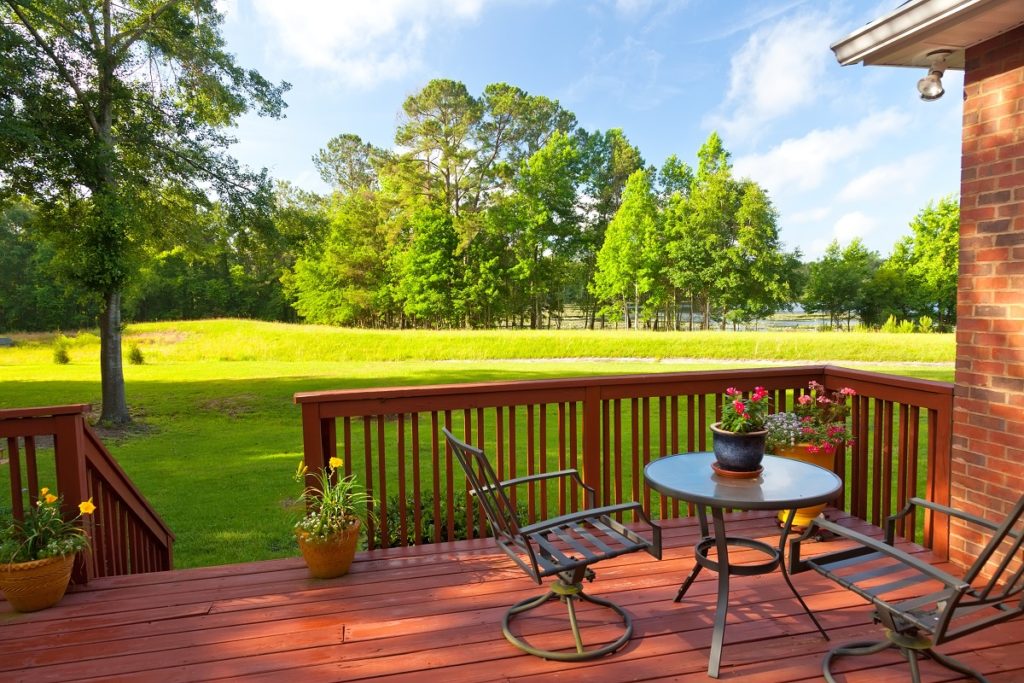
Outdoor living areas extend usable space beyond the home’s interior and create opportunities for relaxation, entertaining, and everyday enjoyment. Well-designed outdoor spaces can feel like natural extensions of indoor living areas when they are planned with comfort and accessibility in mind. Without thoughtful design, however, outdoor areas may go unused or feel disconnected from daily routines.
Comfortable outdoor spaces balance function, durability, and layout. Seating areas, pathways, and shade features all influence how frequently the space is used. Easy access from the home encourages regular use, while durable materials help the area withstand weather and foot traffic. Designing outdoor spaces with intention allows homeowners to enjoy their property more fully without constant upkeep or adjustment.
Larger outdoor remodeling projects often require coordination when existing layouts change or furnishings need to be relocated. A professional mover can assist with safely relocating heavy items, staging outdoor furniture, or managing transitions during construction. This support helps protect belongings and keeps projects running smoothly.
Updating Flooring for Durability and Style
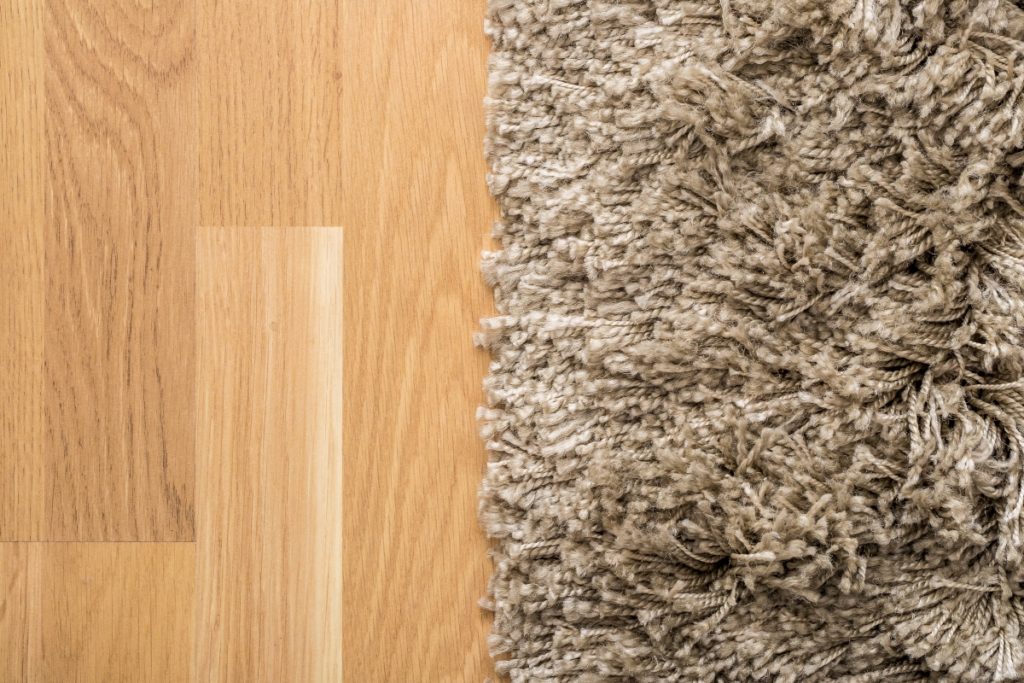
Flooring has a significant impact on both the appearance and functionality of a home. Worn, outdated, or damaged flooring can detract from comfort and make maintenance more difficult. Updating flooring improves durability, enhances visual appeal, and supports smoother movement throughout the home. Because floors experience constant use, choosing materials that balance style and performance is essential.
Durable flooring materials help homes better withstand daily wear from foot traffic, pets, and furniture. Updated flooring can also improve cleanliness and reduce allergens, especially when replacing older materials. Visual consistency across rooms supports a more cohesive design and helps spaces feel connected rather than segmented. Flooring updates often provide one of the most noticeable improvements in how a home feels day to day.
Exterior conditions can also influence flooring performance, particularly in areas where moisture or debris enters the home. Working with a roofer helps protect flooring investments by addressing roof issues that may lead to leaks or water intrusion. Preventing moisture damage supports longer-lasting floors and reduces the risk of costly repairs.
Adapting Spaces for Changing Household Needs
Homes need to evolve as households change. Growing families, remote work, aging in place, or shifting routines can all affect how space is used day to day. Rooms that once served a single purpose may need to become more flexible, while underused areas can be reimagined to support new priorities. Adapting spaces thoughtfully helps a home remain functional and comfortable without requiring a full remodel.
Successful adaptations focus on comfort, accessibility, and efficiency. Reconfiguring layouts, improving airflow, and adjusting room functions can make daily life smoother and less stressful. Temperature consistency is especially important when rooms change purpose, such as converting a basement into living space or turning a spare bedroom into a home office. Ensuring that each area remains comfortable year-round helps the space feel intentional and usable.
Addressing comfort concerns often involves HVAC repair to support proper airflow, temperature balance, and system performance. When heating or cooling systems struggle to keep up with new layouts or added square footage, targeted repairs can restore comfort and efficiency.
Planning Remodeling Projects for Long-Term Value
Remodeling decisions should balance immediate improvements with long-term value. While aesthetics matter, projects that improve durability, efficiency, and protection often provide the greatest return over time. Planning with the future in mind helps homeowners avoid repeated updates and supports consistent performance across seasons. A strategic approach also makes it easier to prioritize projects based on budget and impact.
Long-term value is influenced by how well a home manages water, weather, and wear. Preventive upgrades reduce the likelihood of damage that can undermine remodeling investments. Attention to exterior systems helps protect interior improvements, ensuring that new finishes, flooring, and layouts remain in good condition for years to come. Planning projects in the right order prevents unnecessary repairs and preserves overall home performance.
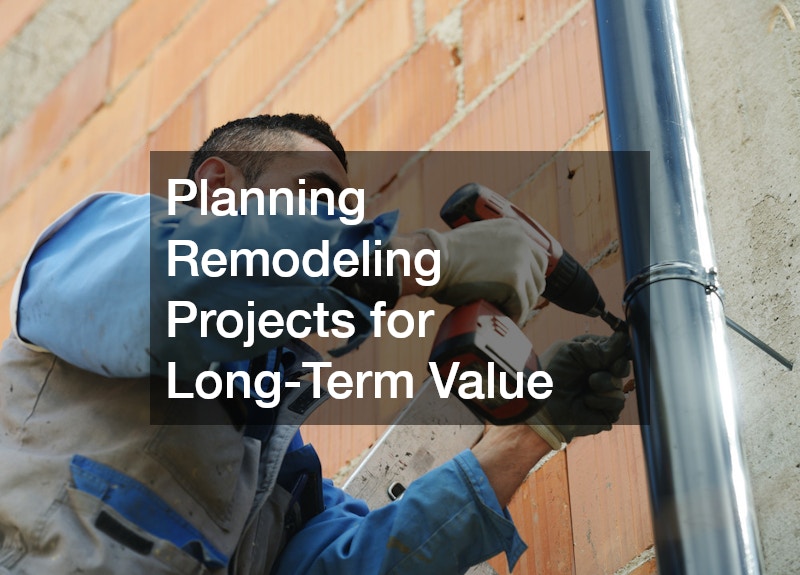
Incorporating gutter services into long-term planning helps manage water runoff and protect the home’s foundation, siding, and landscaping. Proper drainage reduces the risk of moisture intrusion that can affect walls, ceilings, and interior spaces. By integrating exterior protection into remodeling plans, homeowners safeguard their investments and enhance the durability of every improvement. Thoughtful planning supports both immediate enjoyment and lasting value.
Home remodeling projects that enhance everyday living focus on function, comfort, and long-term performance. When improvements are guided by how spaces are actually used, the results feel natural and supportive rather than forced. From kitchens and bathrooms to living areas and outdoor spaces, thoughtful updates can transform daily routines and reduce ongoing frustration.
Successful remodeling takes a holistic view of the home. Interior updates work best when supported by efficient systems, durable materials, and protective exterior features. Planning projects in a logical sequence helps maximize impact while minimizing disruption. By prioritizing comfort, efficiency, and adaptability, homeowners create spaces that respond to changing needs without constant revision.