A full exterior transformation is one of the most rewarding investments a homeowner can make. A thoughtfully executed home makeover improves curb appeal, enhances daily living, increases property value, and creates functional outdoor spaces for relaxation and entertainment. However, coordinating remodeling, landscaping, and structural upgrades is far more complex than simply hiring a few contractors and getting started.
When projects are poorly sequenced, homeowners often face avoidable setbacks—damaged finishes, drainage problems, budget overruns, and timeline delays. For example, installing new sod before heavy equipment completes grading work can lead to rework. Replacing exterior finishes before structural adjustments are finalized may result in costly modifications.
The key to a smooth transformation lies in coordination. From earthwork and structural reinforcement to aesthetic landscaping and finishing details, every step must follow a logical progression. Whether you’re working with a trusted home remodeling company or managing individual contractors independently, a strategic approach ensures your project unfolds efficiently, safely, and within budget.
This guide will walk you through the process of aligning remodeling efforts with landscape design and structural improvements so you can achieve a cohesive, long-lasting result.
Start with a Comprehensive Vision and Property Assessment
Before any equipment arrives or materials are delivered, clarity is essential. A successful exterior makeover begins with defining your goals and evaluating your property’s current condition.
Define Your Goals
Ask yourself:
-
Are you improving curb appeal for resale?
-
Do you want a functional outdoor entertainment space?
-
Are you addressing structural issues or simply upgrading aesthetics?
-
Will the project be completed all at once or in phases?
Creating a master plan prevents scattered decision-making. Rather than tackling fencing this year and a patio the next, develop a holistic blueprint that ensures all elements will eventually work together.
Evaluate Existing Conditions
Every property has unique physical considerations that must be addressed early:
-
Grading and drainage: Poor slopes can cause water pooling and foundation damage.
-
Soil stability: Essential before installing patios, retaining walls, or pools.
-
Foundation integrity: Structural upgrades may require professional evaluation.
-
Tree health and positioning: Overgrown or poorly placed trees can interfere with construction.
This is also the stage to assess whether tree removal will be necessary before construction begins. Removing large trees after hardscaping or fencing has been installed can cause major disruptions. For trees worth preserving, develop a proactive tree maintenance plan to protect root systems during construction.
Establish a Realistic Budget and Timeline
Exterior renovations often uncover hidden issues—rotted framing, unstable soil, outdated drainage systems. Build a 10–20% contingency into your budget.
Prioritize structural and ground preparation expenses before cosmetic enhancements. Investing upfront in proper grading, drainage, and structural integrity prevents costly repairs later.
Phase One: Structural and Groundwork Preparation
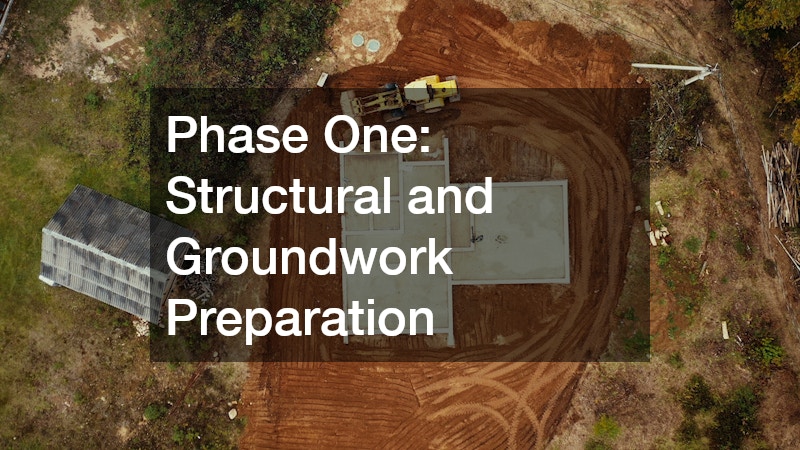
Once planning is complete, groundwork begins. This is the least glamorous stage, but it is the most critical.
Site Preparation and Earthwork
Proper grading ensures water flows away from the home. Without it, landscaping and exterior finishes can suffer damage from moisture intrusion.
In many cases, professional excavation services are required to:
-
Correct slope and drainage issues
-
Prepare foundations for patios, decks, or additions
-
Create level surfaces for outdoor structures
-
Prepare the site for major installations like pools
Heavy equipment should complete all earth-moving tasks before landscaping materials are delivered. This avoids compaction damage and unnecessary rework.
Structural Modifications
If your makeover includes:
-
Expanding a deck
-
Adding a covered patio
-
Building retaining walls
-
Extending a garage or entryway
These upgrades should occur immediately after site preparation. Load-bearing changes must be carefully engineered and inspected. Working with an experienced home remodeling company at this stage helps ensure structural safety and code compliance.
Addressing Trees and Obstacles Early
Large roots can disrupt foundations and hardscaping. Removing problematic trees early prevents interference with later installations. However, not all trees should be removed.
Healthy, well-positioned trees can increase property value and provide natural shade. Establish protective barriers during construction to prevent root damage. Scheduled tree maintenance can preserve valuable greenery while accommodating new design features.
Phase Two: Major Installations and Exterior Enhancements
After groundwork and structural updates are complete, you can move forward with high-impact installations that define your property’s character.
Installing High-Impact Features
Large additions such as patios, pergolas, and pools dramatically transform outdoor living. If your project includes a pool, coordinate swimming pool installation services carefully within the broader construction timeline.
Key considerations include:
-
Underground utility line placement
-
Drainage systems
-
Equipment pad positioning
-
Access routes for machinery
Pool installation should occur before final landscaping and fencing to avoid damage to finished surfaces.
Exterior Envelope Improvements
The exterior shell of your home protects against the weather and influences curb appeal. If siding is outdated, cracked, or faded, this is the ideal stage to upgrade it.
Working with qualified siding contractors ensures:
-
Proper moisture barriers
-
Seamless integration with new architectural features
-
Improved insulation efficiency
It’s important to complete major structural work before installing new siding to avoid cutting into freshly finished surfaces later.
Fence and Boundary Planning
Fencing enhances privacy, safety, and aesthetics. However, fence installation must be timed carefully.
Coordinate with fence companies only after:
-
Excavation and grading are complete
-
Pool placement is finalized
-
Hardscape boundaries are clearly defined
Installing fencing too early can result in removal and reinstallation if ground levels change.
Phase Three: Landscaping and Outdoor Aesthetics

With structural and major installations complete, it’s time to refine the property’s visual appeal.
Partnering with Landscape Professionals
Experienced local landscaping companies can translate your master plan into a cohesive design that complements architectural upgrades.
They consider:
-
Climate-appropriate plant selection
-
Irrigation systems
-
Hardscape integration
-
Long-term maintenance requirements
Collaboration ensures new greenery enhances—not clashes with—structural enhancements.
Selecting the Right Materials
Durability matters as much as beauty. Choose landscaping materials that suit your climate and usage needs, such as:
-
Permeable pavers for drainage
-
Natural stone for longevity
-
Mulch for moisture retention
-
Decorative gravel for low-maintenance areas
Balance hardscape elements (stone, brick, concrete) with softscape features (plants, turf, shrubs) for visual harmony.
Lawn and Plant Health Planning
After construction, soil often becomes compacted and nutrient-depleted. Restoration is essential before planting.
Schedule lawn fertilization services once grading has settled and irrigation systems are tested. Fertilization too early can result in nutrient runoff or uneven growth.
A phased planting approach may include:
-
Soil conditioning
-
Irrigation installation
-
Sod or seed placement
-
Fertilization
-
Ongoing care
Proper timing ensures vibrant, lasting results.
Project Sequencing: The Correct Order of Operations
One of the most common causes of renovation setbacks is improper sequencing. Follow this logical progression:
-
Develop a master plan and budget
-
Address tree removal and preservation strategies
-
Perform excavation services and grading
-
Complete structural remodeling and additions
-
Coordinate swimming pool installation services
-
Upgrade siding
-
Install fencing
-
Deliver and install landscaping materials
-
Finalize lawn fertilization services and plantings
Each stage builds upon the previous one. Skipping steps or reversing order often increases costs and delays.
Coordinating Contractors Effectively

Managing multiple professionals requires organization and communication.
Centralized Project Management
A single project manager—whether from a home remodeling company or hired independently—can oversee timelines and coordinate scheduling between trades.
Benefits include:
-
Reduced scheduling conflicts
-
Streamlined inspections
-
Clear accountability
Communication Strategies
Maintain clarity by:
-
Drafting written scopes of work
-
Establishing shared calendars
-
Scheduling weekly progress meetings
-
Documenting changes in writing
Transparent communication minimizes misunderstandings and costly mistakes.
Permits and Inspections
Exterior upgrades often require permits, particularly for:
-
Structural additions
-
Pools
-
Fences
-
Major grading
Failure to secure permits can delay resale or result in fines. Always confirm local requirements before construction begins.
Common Mistakes to Avoid
Even well-planned projects can go off track. Avoid these frequent errors:
-
Installing landscaping before heavy construction ends
-
Skipping professional excavation services when grading issues exist
-
Hiring unlicensed siding contractors or fence companies
-
Ignoring long-term tree maintenance needs
-
Applying lawn fertilization services before soil stabilization
Rushing the finishing touches before structural integrity is secured often leads to rework.
Budget-Saving Tips Without Sacrificing Quality
Exterior transformations can be costly, but strategic planning reduces expenses.
Bundle Services
Some contractors offer discounts when combining multiple services. Coordinating through one provider may reduce labor redundancies.
Schedule During Off-Peak Seasons
Contractors may offer lower rates during slower months.
Invest in Long-Lasting Materials
High-quality landscaping materials and durable siding reduce maintenance costs over time.
Consider Phased Upgrades
If budget constraints exist, complete structural and foundational work first. Cosmetic improvements can follow later without disrupting core elements.
Final Walkthrough and Long-Term Maintenance Plan
Before declaring your project complete, conduct a thorough walkthrough.
Inspection Checklist
-
Confirm proper drainage
-
Check siding alignment and sealing
-
Inspect fencing stability
-
Test irrigation systems
-
Verify pool equipment functionality
Establish a Maintenance Schedule
Protect your investment by planning ongoing care:
-
Seasonal tree maintenance
-
Annual siding inspections
-
Fence staining or sealing as needed
-
Scheduled lawn fertilization services
-
Drainage checks before rainy seasons
Proactive upkeep extends the lifespan of your improvements and preserves property value.
Designing for Functionality, Not Just Aesthetics
A visually appealing exterior is important, but functionality determines whether your investment truly enhances your daily life. Many homeowners focus heavily on appearance—new finishes, stylish fencing, modern plantings—without considering how the space will actually be used.
Before finalizing designs, ask practical questions:
-
Where will guests gather?
-
How will traffic flow between indoor and outdoor areas?
-
Is there adequate lighting for nighttime use?
-
Are pathways wide enough and properly graded?
-
Does the yard drain efficiently during heavy rain?
For example, if you’re installing a pool, consider how guests will move from the house to the water. Are there slip-resistant surfaces? Is there adequate seating? Does fencing allow convenient but secure access?
Similarly, if you are upgrading exterior walls, think beyond aesthetics. Modern materials installed by experienced siding contractors can improve insulation and energy efficiency, reducing heating and cooling costs. Function and form should always evolve together.
A well-designed exterior should:
-
Maximize usable square footage
-
Improve safety
-
Enhance privacy
-
Support easy maintenance
-
Increase long-term property value
When remodeling, landscaping, and structural upgrades are coordinated around lifestyle needs—not just appearance—you create a space that works as beautifully as it looks.
Drainage and Water Management: The Hidden Hero of Exterior Success
Water management is one of the most overlooked components of a home makeover, yet it determines the longevity of nearly every upgrade.
Improper grading can lead to:
-
Foundation cracks
-
Basement leaks
-
Soil erosion
-
Plant failure
-
Pool deck shifting
Before final landscaping begins, ensure proper slope away from the home. Professional excavation services can correct uneven grading and install drainage solutions such as French drains or swales.
If a pool is part of your plan, drainage becomes even more critical. Swimming pool installation services should integrate water runoff systems that prevent overflow from damaging nearby structures or landscaping.
Hardscapes such as patios and walkways, should use permeable landscaping materials when possible. These materials allow water to filter through rather than pool on the surface.
Water management planning should also include:
-
Gutter extensions
-
Downspout positioning
-
Irrigation system calibration
-
Soil composition testing
Ignoring drainage can undo thousands of dollars in improvements. Addressing it early protects your entire investment.
Enhancing Outdoor Living Through Smart Zoning
An effective exterior makeover divides the yard into purposeful zones. Instead of treating the property as one large open area, thoughtful zoning improves organization and flow.
Consider dividing your space into:
-
Entertainment Area – Patio, seating, outdoor kitchen
-
Recreation Zone – Pool, lawn, play area
-
Quiet Retreat – Garden benches, shaded seating
-
Utility Space – Storage sheds, compost, equipment
Strategic fencing from reliable fence companies can subtly define zones while maintaining aesthetic cohesion. Landscaping can also guide movement through pathways, plant borders, and elevation changes.
Tree placement plays a critical role here. Healthy trees, supported by regular tree maintenance, can create natural separation between zones while providing shade and cooling benefits.
When zoning is planned alongside structural upgrades and landscaping design, the property feels larger, more organized, and more intentional.
Lighting: The Finishing Touch That Transforms Everything

Exterior lighting is often treated as an afterthought, but it dramatically influences safety, ambiance, and usability.
Well-placed lighting can:
-
Highlight architectural upgrades
-
Accentuate textured landscaping materials
-
Illuminate walkways for safety
-
Showcase trees and focal plants
-
Extend outdoor enjoyment into the evening
Install lighting after major construction but before final planting, where trenching may be required. Coordinate electrical work with your remodeling schedule to avoid disturbing finished landscaping later.
Layer lighting for best results:
-
Ambient lighting for general illumination
-
Task lighting for cooking or seating areas
-
Accent lighting for trees and structural features
Integrated lighting elevates the entire makeover from functional to extraordinary.
Sustainability and Long-Term Efficiency
Modern exterior upgrades increasingly prioritize sustainability. Coordinating remodeling and landscaping with eco-conscious principles reduces environmental impact and lowers long-term costs.
Sustainable considerations include:
-
Native plant selections from local landscaping companies
-
Drip irrigation systems to reduce water waste
-
Solar-powered outdoor lighting
-
Energy-efficient siding materials
-
Recycled or locally sourced landscaping materials
Preserving mature trees whenever possible reduces heat absorption and lowers cooling expenses. A thoughtful tree maintenance plan can support environmental health while improving curb appeal.
Additionally, phased lawn fertilization services using environmentally responsible products protect nearby waterways and soil ecosystems.
A sustainable makeover not only benefits the environment—it enhances resale value as buyers increasingly prioritize efficiency and responsible design.
Long-Term Property Value and Resale Strategy
If resale is part of your long-term plan, coordination becomes even more important. Buyers evaluate properties holistically. An upgraded pool loses appeal if drainage problems are visible. Beautiful landscaping loses impact if the siding appears worn.
Strategic improvements that typically deliver a strong return on investment include:
-
Exterior finish upgrades
-
Professional landscaping design
-
Functional outdoor living areas
-
Secure, well-designed fencing
-
Healthy, mature trees
Working with a reputable home remodeling company can help ensure upgrades align with market expectations in your area.
Keep documentation of:
-
Permits and inspections
-
Contractor warranties
-
Maintenance schedules
-
Material specifications
Organized records reassure potential buyers and demonstrate that improvements were completed professionally.
Bringing It All Together
A home makeover that combines remodeling, landscaping, and structural upgrades is a major undertaking—but when carefully coordinated, the results are transformative.
The process requires:
-
Clear vision
-
Strategic sequencing
-
Professional collaboration
-
Strong communication
-
Commitment to long-term maintenance
By prioritizing groundwork, completing structural updates first, scheduling major installations strategically, and finishing with landscaping and lawn fertilization services, homeowners create seamless and lasting improvements.
Every decision—from hiring excavation services early to coordinating with fence companies at the right stage—affects the overall outcome.
When done correctly, your exterior becomes more than just visually appealing. It becomes functional, efficient, durable, and aligned with your lifestyle goals.
With thoughtful planning and disciplined coordination, your home makeover will not only elevate curb appeal—it will create an outdoor environment designed to thrive for decades.
A successful home makeover is not just about selecting beautiful finishes—it’s about coordination. Remodeling, landscaping, and structural upgrades must work together in a carefully planned sequence to achieve lasting results.
By starting with a comprehensive vision, prioritizing groundwork and structural integrity, sequencing installations properly, and coordinating skilled professionals, homeowners can avoid costly setbacks and enjoy a seamless transformation.
Whether your goal is boosting resale value or creating a personalized outdoor retreat, strategic planning ensures every upgrade enhances the next. Thoughtful coordination today leads to a durable, visually stunning property you can enjoy for years to come.