A leaky faucet may seem like a small household annoyance, but it can waste water, increase utility costs, and become more difficult to repair if the underlying issue is ignored. Some faucet leaks are caused by simple worn components, while others involve corrosion, damaged seals, or problems with the fixture itself.
When a faucet continues dripping despite basic adjustments, a professional plumber can inspect the fixture, identify the source of the leak, and determine the most appropriate repair.
Identifying Where the Leak Is Coming From
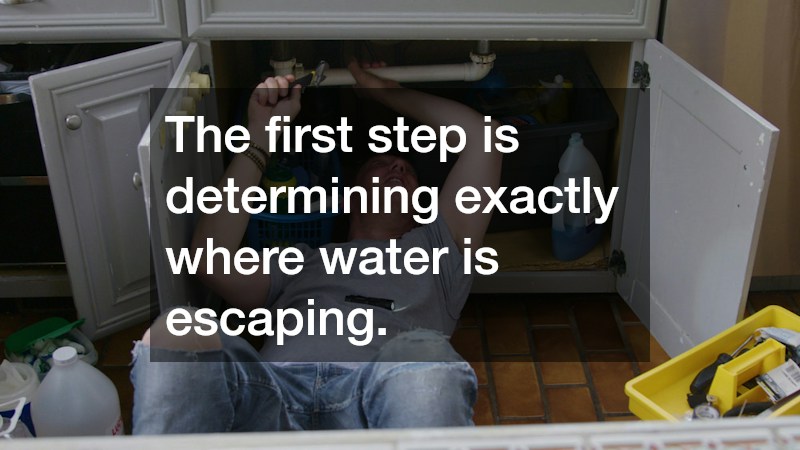
The first step is determining exactly where water is escaping.
A faucet may leak from the spout, around the handle, near the base, or underneath the sink. Each location can point to a different problem.
A steady drip from the spout may indicate a worn internal seal, cartridge, washer, or valve component. Water around the handle may suggest damaged packing or O-rings. Moisture under the sink may come from supply lines, connections, or the faucet mounting area.
By identifying the leak location first, a plumber can narrow down which parts need to be inspected.
Turning Off the Water Supply
Before taking the faucet apart, the water supply needs to be shut off.
Most sinks have individual shutoff valves beneath them. These valves allow the technician to stop water flow to the faucet without shutting off the entire home’s supply.
If the valves are damaged, stuck, or unavailable, the main water supply may need to be turned off temporarily.
Once the water is off, the faucet can be opened to release any remaining pressure in the lines before disassembly begins.
Determining the Faucet Type
Not all faucets use the same internal components.
Common designs include compression faucets, cartridge faucets, ball faucets, and ceramic-disc faucets. Each operates differently and can develop different types of leaks.
A compression faucet, for example, may rely on rubber washers that can wear down with repeated use. Cartridge-style faucets use replaceable cartridges that control water flow. Ceramic-disc faucets contain durable ceramic components but can still experience seal or cartridge problems.
An experienced plumber can identify the faucet type and determine which replacement parts are needed.
Inspecting Washers and Seals
Worn washers and seals are common causes of leaking faucets.
Every time a faucet is turned on or off, certain internal components are placed under pressure and friction. Over time, rubber washers and seals can become flattened, cracked, hardened, or otherwise damaged.
If a washer no longer forms a tight seal, small amounts of water may continue passing through the faucet even when it is turned off.
The technician can remove the damaged component and replace it with one that matches the faucet’s specifications.
Checking O-Rings
O-rings are small rubber rings that help create watertight seals inside plumbing fixtures.
They can be found in several areas depending on the faucet design. As O-rings age, they may become brittle, cracked, or loose.
A damaged O-ring can allow water to escape around faucet handles or the base of the fixture.
A plumber can inspect these rings during disassembly and replace any that no longer create an effective seal.
Correct sizing is important because an O-ring that is too large or too small may not stop the leak.
Inspecting the Cartridge
Cartridges are common in modern faucets and control both water flow and, in some models, temperature.
Mineral deposits, wear, or damage can prevent a cartridge from sealing correctly. This may result in continuous dripping, difficulty controlling temperature, or water leaking around the handle.
If cleaning does not resolve the issue, the cartridge may need to be replaced.
Because many manufacturers use different cartridge designs, professionals often identify the faucet brand and model before selecting a replacement part.
Looking for Mineral Buildup
Minerals in the water can accumulate inside faucets over time.
Deposits may interfere with valves, cartridges, aerators, and other small components. They can also reduce water flow or make faucet handles more difficult to operate.
A plumber may clean affected parts when buildup is the main issue.
In some cases, however, mineral deposits occur alongside corrosion or worn components, making replacement a better long-term solution.
The severity of mineral accumulation can vary significantly depending on local water quality.
Checking the Valve Seat
The valve seat connects parts of the faucet assembly and helps create a watertight seal.
Over time, mineral deposits or corrosion can damage this area. A worn valve seat may prevent the faucet from closing completely, resulting in a persistent drip.
Professionals can inspect the surface for visible wear or damage.
Depending on the faucet design and condition, the valve seat may be cleaned, repaired, or replaced. Severe deterioration can sometimes make replacing the entire fixture more practical.
Inspecting Supply Line Connections
Not every faucet leak originates inside the fixture itself.
Flexible supply lines connect the faucet to the home’s hot and cold water lines. Connections can loosen, seals can deteriorate, and hoses can eventually develop leaks.
If water is collecting underneath the sink, a plumber may inspect the supply connections closely.
Tightening a connection may solve a minor problem, but damaged hoses or fittings should usually be replaced rather than repeatedly adjusted.
Reassembling and Testing the Faucet
After damaged components are repaired or replaced, the faucet is carefully reassembled.
The water supply is then restored gradually. The plumber can test the faucet through several on-and-off cycles while checking the repaired areas for moisture.
Both hot and cold water may be tested to make sure the fixture operates correctly.
This final step is important because a repair that appears successful initially may still have a loose connection or incorrectly positioned seal.
Knowing When Replacement Makes More Sense
Not every leaking faucet is worth repairing.
If the fixture is heavily corroded, very old, physically damaged, or experiencing repeated failures, replacement may be more cost-effective.
Replacement can also make sense when repair parts are difficult to locate or the homeowner already wants to update the appearance or functionality of the fixture.
A plumber can compare the likely repair cost with replacement options and explain which approach may provide better long-term value.
Preventing Future Faucet Leaks
Homeowners can take several steps to reduce unnecessary wear on faucets.
Avoid forcing handles beyond their normal stopping point, and address dripping before it becomes severe. Periodically inspect underneath sinks for moisture around connections and supply hoses.
Hard water and mineral buildup may also contribute to faucet problems, so homeowners experiencing repeated deposits may want to discuss water quality with a professional.
Prompt repairs can prevent a small leak from becoming a larger issue.
Professional Diagnosis Can Save Time
A dripping faucet can have several possible causes, including worn washers, damaged O-rings, failing cartridges, mineral buildup, corroded valve seats, or loose supply connections.
Rather than replacing random components, a qualified plumber can identify the exact source of the problem and repair the appropriate part.
Addressing faucet leaks quickly can reduce water waste, prevent moisture damage beneath sinks, and restore reliable operation. For persistent leaks or fixtures with multiple problems, professional diagnosis can provide a clearer path to an effective and lasting solution.