Renovating your home one room at a time sounds like a smart, budget-friendly strategy, but without a clear plan it can quietly drain your savings and leave you house-rich, cash-poor. The key is sequencing projects wisely, understanding true costs before you commit, and knowing which upgrades deliver real value versus which ones just look good on paper. This guide walks through how to prioritize renovations room by room so you can improve your home steadily without stretching your finances to the breaking point. Whether you are tackling a single bathroom or planning a whole-house overhaul over several years, these strategies will help you stay financially grounded while still getting the home you want.

Set a Realistic Whole Home Renovation Budget First
Before you touch a single room, map out a rough budget for the entire home, even if you plan to renovate over several years. This big-picture view prevents you from overspending on the kitchen and leaving nothing for a roof or foundation issue that surfaces later. Many homeowners find it helpful to consult with a custom home builder early in the process, even if they only plan to remodel incrementally, because these professionals can flag structural or code issues that affect future phases.
Think of your budget as a living document that gets adjusted as you complete each phase. Set aside a contingency fund of at least 10 to 15 percent per project, since surprises are almost guaranteed once walls or floors are opened up.
- List every room you eventually want to renovate, even if the timeline is years out
- Assign a rough cost range to each space based on scope
- Separate “must-do” structural work from “nice-to-have” cosmetic upgrades
- Build in a buffer fund for unexpected discoveries like outdated wiring or plumbing
Decide Which Rooms to Renovate in What Order
Not every room deserves equal priority. Kitchens and bathrooms typically offer the best return on investment and the biggest daily quality-of-life improvement, so many homeowners tackle those first. Living spaces that affect resale value or daily comfort, like a primary bedroom or a family room, often come next, while purely cosmetic spaces can wait.
It also helps to consider which rooms are load-bearing on your budget in terms of complexity. A basement or attic conversion, for example, often requires more planning and permitting than a simple paint-and-flooring refresh, so sequencing matters.
- Start with rooms that impact daily function, like kitchens and bathrooms
- Tackle safety or structural issues before purely aesthetic ones
- Save complex conversions, like turning an attic into a bedroom, for later phases
- Group similar trades together, such as plumbing or electrical, to reduce repeat service calls

Understand the True Cost of High End Finishes
It is tempting to choose premium materials for every surface, but luxury finishes add up fast and are one of the biggest reasons homeowners overspend. High end residential construction techniques, like custom millwork, natural stone countertops, or imported tile, can elevate a space dramatically, but they should be used selectively rather than throughout an entire home.
A smart approach is to splurge in one or two focal areas per room, such as a statement backsplash or a designer light fixture, while choosing more budget-friendly options for less visible elements. This creates a high-end look without the high-end price tag across every square foot.
- Reserve premium materials for focal points like islands, fireplaces, or vanities
- Choose mid-range options for baseboards, closets, and other less visible areas
- Compare material costs before committing to a design direction
- Ask about scaled-down versions of luxury finishes that mimic the look
Refresh a Basement Without Overspending
Basements are one of the most cost-effective ways to add usable square footage to a home, but the scope can spiral quickly if moisture issues or low ceilings are not addressed upfront. Before choosing paint colors or flooring, get a professional assessment of humidity levels and drainage, since fixing water problems after finishing the space costs far more than addressing them beforehand.
Basement refinishing tends to be more affordable per square foot than adding new construction, which makes it an attractive option for homeowners trying to expand living space without a major addition. Focus on simple, durable finishes like vinyl plank flooring and moisture-resistant drywall to keep costs predictable.
- Test for moisture and address drainage before any cosmetic work begins
- Choose flooring rated for below-grade installation
- Add proper insulation to control temperature and reduce energy costs
- Keep layout changes minimal if plumbing or electrical rerouting is expensive

Upgrade Windows and Doors Room by Room
Windows are often overlooked during room renovations, but they play a major role in comfort, energy bills, and curb appeal. Rather than replacing every window in the house at once, many homeowners work with window installation companies to phase the project by room, starting with the areas that show the most drafts or condensation.
Older windows can also make a renovated room feel unfinished, even if the walls and flooring are brand new. Prioritizing windows in rooms you are already renovating allows you to bundle labor and materials, which can reduce overall costs compared to tackling window replacement as a separate project later.
- Start with rooms that have visible drafts, fogging, or difficulty opening
- Bundle window replacement with existing renovation work to save on labor
- Ask about energy-efficient glass options that qualify for rebates
- Match window style to the home’s overall architecture for resale value
Plan Outdoor Living Spaces Alongside Interior Rooms
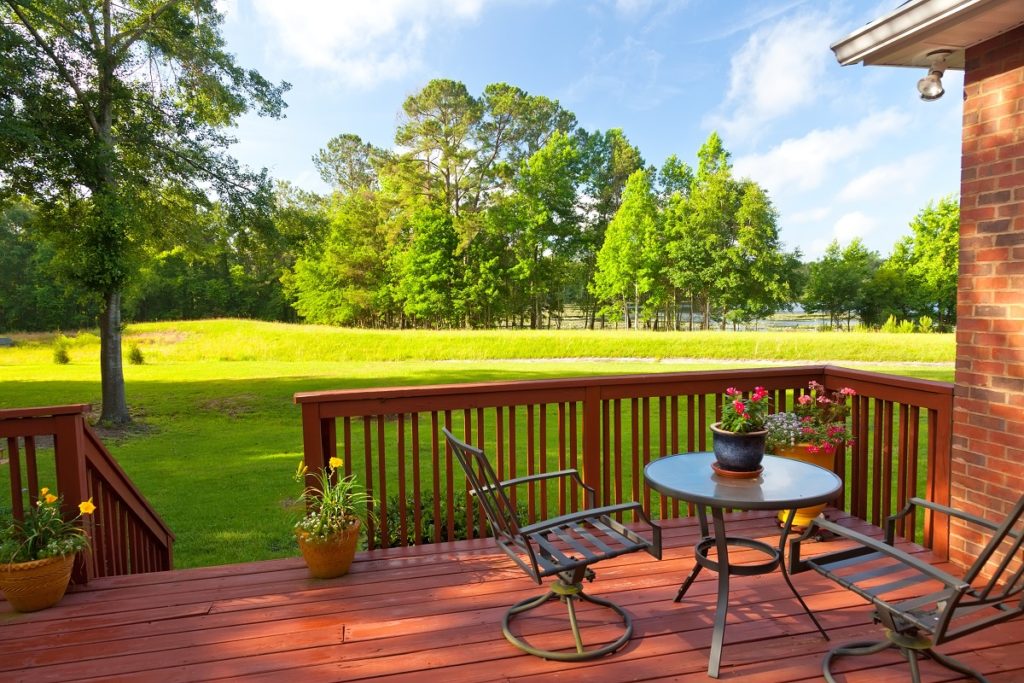
Outdoor spaces are frequently treated as an afterthought, but they can be just as impactful as interior rooms when it comes to daily enjoyment and home value. If you are renovating a kitchen or dining area, consider whether an adjacent deck or patio should be part of the same phase, since coordinating indoor-outdoor flow often costs less when planned together.
Working with experienced deck contractors early in the process can help you avoid costly redesigns later, especially if you plan to add features like built-in seating, pergolas, or outdoor kitchens down the line. A well-planned deck also extends usable living space without the cost of a full room addition.
- Align deck or patio timing with adjacent interior renovations
- Choose weather-resistant materials suited to your climate
- Plan for future additions like lighting or shade structures
- Get multiple quotes to compare labor and material costs

Handle Fencing and Privacy Upgrades Strategically
Fencing is another exterior project that homeowners often delay, only to realize later that it should have been coordinated with landscaping or hardscape work. A reliable fence contractor can help you determine the right material and height for your needs, whether that is privacy, pet containment, or simple property definition.
Timing matters here too. If you are planning any excavation, paving, or major landscaping, it makes sense to install or replace fencing either before or during that work rather than after, since heavy equipment can damage a finished fence.
- Coordinate fencing with any planned landscaping or excavation work
- Choose materials based on maintenance tolerance, not just upfront cost
- Check local permit requirements before installation begins
- Consider resale value when choosing fence height and style
Refresh Driveways and Walkways Without a Full Overhaul
A cracked or outdated driveway can undercut the value of even the most beautifully renovated interior, but a full replacement is not always necessary. Many paving companies offer resurfacing or patching services that extend the life of an existing driveway for a fraction of the cost of full replacement, which is worth exploring before committing to a total redo.
If your budget allows for a full paving project, consider pairing it with walkway or entryway improvements, since matching materials create a more cohesive look and can sometimes reduce mobilization costs for the crew doing the work.
- Ask about resurfacing or sealcoating before assuming full replacement is needed
- Match driveway and walkway materials for a cohesive exterior
- Time paving projects around dry weather for better curb longevity
- Get a written estimate that separates labor and material costs
Renovate a Pool Area Without Draining Your Budget
If your home has a pool, it is easy to let that single feature consume a disproportionate share of your renovation budget. A pool remodeling service can help you identify which upgrades, like resurfacing, updated tile, or improved filtration, will meaningfully extend the pool’s life versus purely cosmetic changes that cost more without adding function.
Adding modern pool features such as energy-efficient pumps, LED lighting, or automated cleaning systems can improve daily usability without requiring a full pool rebuild. Phasing these upgrades over a couple of seasons, rather than all at once, often makes the total cost easier to absorb.
- Prioritize resurfacing and equipment upgrades over purely decorative changes
- Ask about energy-efficient pumps and heaters to lower long-term operating costs
- Consider phasing pool features over multiple seasons if budget is tight
- Get a professional inspection before assuming a full rebuild is necessary
Choose the Right Remodeling Partner for Multi Room Projects
As you move from room to room, working with a consistent team can save money and reduce headaches compared to hiring entirely new crews for every project. Established remodeling services often provide better pricing on multi-phase projects since they can plan material orders and scheduling more efficiently across rooms, sometimes shaving 10-15% off costs through bulk purchasing on tile, lumber, or fixtures used in multiple spaces.
When vetting a potential partner, ask how they structure multi-room contracts. Some remodeling services offer a phased pricing model that locks in labor rates for the duration of the project, protecting you from mid-renovation price hikes if material costs rise or the timeline stretches longer than expected.
It’s also worth checking whether the same project manager will oversee every phase. Continuity matters: a manager who already knows your home’s layout, electrical quirks, or plumbing history won’t need to re-diagnose issues each time a new room comes up. This familiarity typically translates into fewer surprise change orders and faster turnaround between phases.
Finally, get everything in writing before committing to a long-term arrangement. Request a master timeline showing how each room’s renovation depends on the others, along with a clear cancellation or pause clause in case your budget needs a breather between phases.
Working with the same contractor or design-build firm across multiple rooms also means having one point of contact who understands your home’s history, plumbing quirks, and previous renovation decisions. That continuity reduces the chance of mismatched finishes, forgotten details, or repeated mistakes that crop up when you hire a different crew for every phase.
Before signing any agreement, ask potential contractors how they handle multi-year, phased projects. Do they keep detailed records of materials, paint colors, and fixture models used in earlier phases so future work matches seamlessly? Will you get a consistent project manager, or a new crew each time you start a new room?
It’s also worth asking how they structure pricing across phases. Some contractors offer a modest discount or price lock for homeowners who commit to a multi-room plan upfront, even if the work is spread over two or three years. Others may only guarantee pricing for 90 to 180 days, which matters if you’re budgeting a five-year renovation timeline.
Finally, check references specifically for phased projects, not just single-room jobs. A contractor who’s renovated a kitchen last year and is scheduled to return for the bathroom next spring can speak to reliability in a way a one-off project never reveals.
- Ask contractors about discounts or efficiencies for multi-phase projects, such as reduced rates for bundling material orders or waived repeat trip fees
- Request references from homeowners who completed similar room-by-room renovations, and ask specifically how well the contractor kept costs steady across phases
- Confirm how change orders and budget adjustments are handled mid-project, including whether estimates are itemized by room
- Get a written timeline showing how phases connect, so idle weeks between rooms don’t stall momentum or waste your budget
- Verify licensing, insurance, and warranty terms apply consistently across every phase, not just the first room
- Keep a renovation binder or shared file to track decisions, receipts, and warranties across rooms
- Revisit your contractor relationship after each phase to reassess pricing, satisfaction, and whether to continue or rebid
Renovating room by room is one of the smartest ways to improve your home without overextending your finances, but it requires a clear plan, realistic budgeting, and thoughtful sequencing. Start by mapping out your priorities, get professional input early on structural or complex spaces, and resist the urge to splurge everywhere at once. With a steady, well-researched approach, you can transform your home over time while keeping your financial footing secure.