Introduction: Why Proactive Home Maintenance Is the Key to Protecting Your Investment
Owning a home comes with many responsibilities, and one of the most important is maintaining the property before small issues become major problems. While emergency repairs often receive the most attention, preventative maintenance is usually far more effective and affordable. A proactive approach helps homeowners protect their investment, improve energy efficiency, increase comfort, and preserve property value over the long term.
Every home consists of multiple systems working together. Heating and cooling equipment regulate indoor comfort. Plumbing systems provide clean water and remove waste. Roofing and siding protect the structure from weather. Water heating equipment supports daily activities, while drainage systems help prevent water damage. When one component begins to fail, the effects can often spread to other areas of the home.
Many expensive repair projects begin with seemingly minor concerns. A slow drain may indicate a developing blockage. A small roof leak can eventually damage insulation and framing. Aging equipment may continue functioning while operating inefficiently and increasing utility costs. Identifying these issues early allows homeowners to address them before they escalate.
Preventative maintenance also offers financial benefits. Regular inspections and routine servicing generally cost far less than emergency repairs or full system replacements. Homeowners who budget for maintenance often experience fewer surprises and are better prepared for future upgrades.
In addition to protecting the structure, strategic improvements can improve quality of life. More efficient systems reduce energy consumption. Updated equipment increases reliability. Exterior improvements boost curb appeal and marketability. Together, these efforts create a safer, more comfortable, and more valuable property.
This guide explores practical strategies for maintaining critical home systems, planning upgrades, and protecting one of your most important investments.
Create a Home Maintenance Plan That Prevents Expensive Surprises
A well-organized maintenance plan is the foundation of responsible homeownership. Rather than reacting to problems as they occur, homeowners can schedule inspections and service appointments proactively.
An effective maintenance plan should include:
- Monthly inspections
- Seasonal maintenance tasks
- Annual professional evaluations
- Equipment replacement planning
- Emergency preparedness measures
Critical systems that deserve regular attention include:
- Heating and cooling equipment
- Plumbing infrastructure
- Roofing systems
- Drainage components
- Water heating equipment
Maintaining accurate records is equally important.
Helpful documentation includes:
- Inspection reports
- Service invoices
- Equipment warranties
- Maintenance schedules
- Upgrade records
Benefits of organized maintenance records include:
- Easier troubleshooting
- Better budgeting
- Improved resale value
- More informed replacement decisions
Homeowners should also monitor for warning signs such as:
- Unusual noises
- Water stains
- Rising utility bills
- Reduced performance
- Visible deterioration
The sooner problems are identified, the easier they are typically to correct.
Improve Indoor Comfort and Energy Efficiency Before Systems Fail
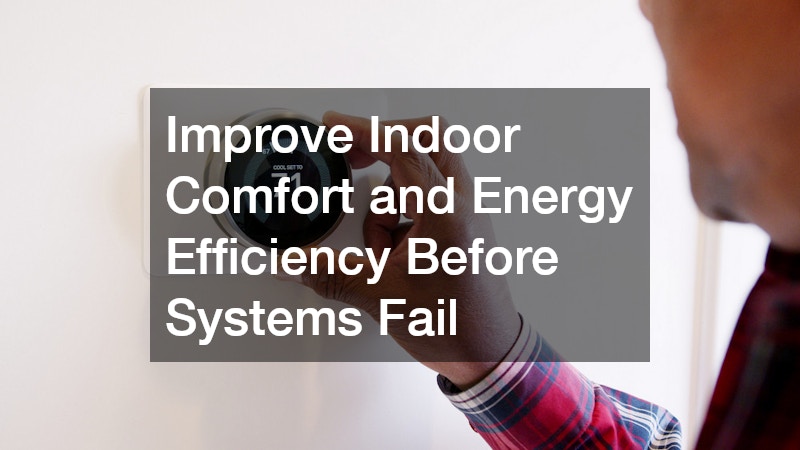
Heating and cooling equipment plays a major role in both comfort and energy consumption. When these systems begin to lose efficiency, homeowners often notice higher utility bills long before a complete breakdown occurs.
Working with reputable HVAC companies helps ensure equipment receives proper maintenance and professional evaluations.
Common signs that systems may require attention include:
- Uneven temperatures
- Weak airflow
- Frequent cycling
- Excessive humidity
- Rising energy costs
Routine maintenance often includes:
- Air filter replacement
- Thermostat testing
- Electrical inspections
- Airflow evaluations
- Component cleaning
Timely ac repair services help address small concerns before they become major failures.
Common cooling system issues include:
- Refrigerant leaks
- Dirty coils
- Condensate drainage problems
- Electrical malfunctions
- Blower motor wear
Benefits of regular maintenance include:
- Improved efficiency
- Lower operating costs
- Better indoor air quality
- Extended equipment lifespan
- Reduced repair expenses
Homeowners can further improve performance by:
- Sealing air leaks
- Improving insulation
- Maintaining clean vents
- Using programmable thermostats
Preventative care helps ensure reliable operation while minimizing unexpected interruptions during periods of extreme weather.
Prepare Your Home for Colder Weather with Early System Inspections
Cold weather places significant demands on heating systems. Unfortunately, many homeowners wait until temperatures drop before addressing performance issues.
Scheduling heating repairs before winter arrives can improve reliability and reduce the likelihood of mid-season breakdowns.
Warning signs that should not be ignored include:
- Uneven heating
- Strange odors
- Unusual noises
- Delayed startup
- Frequent cycling
Routine maintenance tasks often include:
- Cleaning components
- Inspecting burners
- Testing safety controls
- Evaluating airflow
- Checking electrical systems
Benefits of preventative maintenance include:
- Improved efficiency
- Lower energy costs
- Better comfort
- Increased safety
- Longer equipment lifespan
Additional factors that influence heating performance include:
- Insulation quality
- Air sealing effectiveness
- Thermostat calibration
- Ventilation performance
Addressing concerns before peak heating season helps homeowners avoid emergency service calls and maintain consistent indoor comfort.
Protect Your Plumbing System from Leaks, Damage, and Unexpected Failures
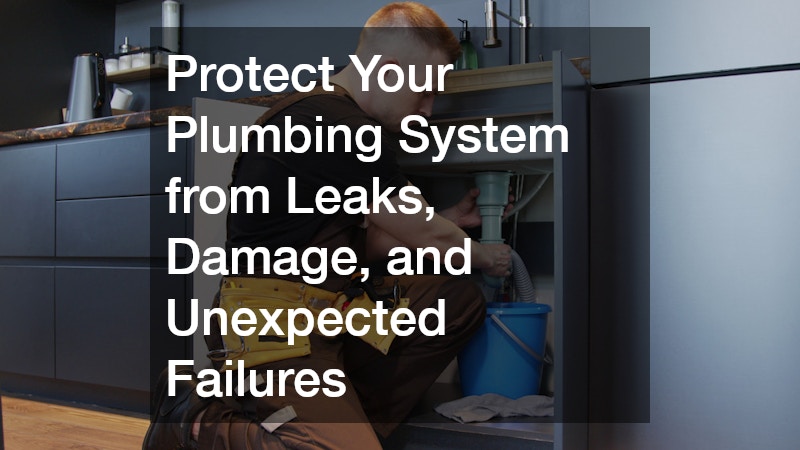
A home’s plumbing system operates continuously behind the scenes, making it easy to overlook until something goes wrong. Unfortunately, plumbing issues can cause extensive damage when left unresolved. Even a small leak can eventually result in water damage, mold growth, damaged flooring, and structural concerns.
Working with a trusted plumbing company allows homeowners to identify problems early and maintain reliable water delivery throughout the property.
Common plumbing issues include:
- Dripping faucets
- Running toilets
- Pipe leaks
- Low water pressure
- Corroded fixtures
Warning signs that require attention include:
- Unexpected increases in water bills
- Water stains on ceilings or walls
- Damp areas around fixtures
- Musty odors
- Mold or mildew growth
Routine inspections should focus on:
- Supply lines
- Shutoff valves
- Appliance connections
- Visible piping
- Exterior plumbing fixtures
Benefits of preventative plumbing maintenance include:
- Reduced water waste
- Lower utility costs
- Improved system reliability
- Prevention of structural damage
- Extended plumbing lifespan
Homeowners should also consider water efficiency improvements.
Popular upgrades include:
- Low-flow toilets
- Water-saving faucets
- Efficient showerheads
- Smart leak detection devices
A proactive approach to plumbing maintenance can help prevent costly repairs while supporting the overall health of the home.
Keep Water Flowing Efficiently Throughout Your Property
Drainage systems play a critical role in removing wastewater safely and efficiently. Unfortunately, drains gradually accumulate debris over time, which can restrict flow and increase the risk of backups.
Routine drain cleaning helps maintain proper drainage while reducing the likelihood of costly plumbing emergencies.
Common causes of drain blockages include:
- Grease buildup
- Soap residue
- Hair accumulation
- Food particles
- Foreign objects
Warning signs of developing drainage problems include:
- Slow-draining sinks
- Frequent clogs
- Gurgling sounds
- Unpleasant odors
- Water backups
Preventative maintenance offers several advantages:
- Improved drainage performance
- Reduced backup risk
- Lower repair costs
- Longer plumbing lifespan
- Better household hygiene
Homeowners can reduce clog risks by:
- Avoiding grease disposal in drains
- Using drain strainers
- Limiting food waste disposal
- Flushing drains periodically
Professional inspections may also identify deeper concerns such as:
- Pipe damage
- Tree root intrusion
- Sewer line issues
- Structural pipe deterioration
Addressing drainage concerns early helps preserve plumbing infrastructure while reducing the risk of water damage.
Improve Water Quality and Protect Household Systems
Water quality affects far more than drinking water. Minerals, contaminants, and impurities can influence plumbing performance, appliance lifespan, cleaning effectiveness, and overall household comfort.
Professional water treatment services help homeowners evaluate water quality and implement solutions that address specific concerns.
Common water quality issues include:
- Hard water
- Excess mineral content
- Sediment accumulation
- Unpleasant odors
- Taste concerns
Potential effects of untreated water include:
- Appliance wear
- Fixture staining
- Soap inefficiency
- Pipe scaling
- Reduced equipment lifespan
Benefits of water treatment solutions may include:
- Cleaner water
- Improved appliance performance
- Reduced mineral buildup
- Better-tasting water
- Lower maintenance costs
Common treatment options include:
- Water softeners
- Filtration systems
- Reverse osmosis systems
- Sediment filters
- Specialized treatment equipment
Homeowners should consider testing water periodically, especially when using private wells or experiencing noticeable changes in quality.
Improving water quality often enhances both comfort and efficiency while helping protect valuable household equipment.
Ensure Reliable Hot Water While Improving Household Efficiency
Hot water is essential for many daily activities, from showering and laundry to cooking and cleaning. When water heating equipment begins to fail, homeowners may experience inconvenience, higher utility costs, and increased repair expenses.
At some point, water heater installation becomes a more practical solution than continuing to repair aging equipment.
Warning signs that replacement may be necessary include:
- Inconsistent temperatures
- Insufficient hot water supply
- Visible corrosion
- Frequent repairs
- Leaks around the unit
Modern equipment often provides several advantages:
- Improved efficiency
- Lower operating costs
- Enhanced reliability
- Better temperature control
- Increased capacity options
When evaluating replacement options, homeowners should consider:
- Household size
- Water usage habits
- Energy efficiency goals
- Available fuel sources
- Long-term operating costs
Benefits of upgrading include:
- Reduced energy consumption
- Improved comfort
- Lower maintenance expenses
- Longer equipment lifespan
Regular maintenance remains important even after replacement.
Recommended tasks include:
- Periodic inspections
- Flushing sediment buildup
- Monitoring temperature settings
- Checking safety valves
Reliable hot water equipment contributes significantly to household comfort while supporting efficient daily operations.
Protect Your Home from Weather-Related Structural Damage
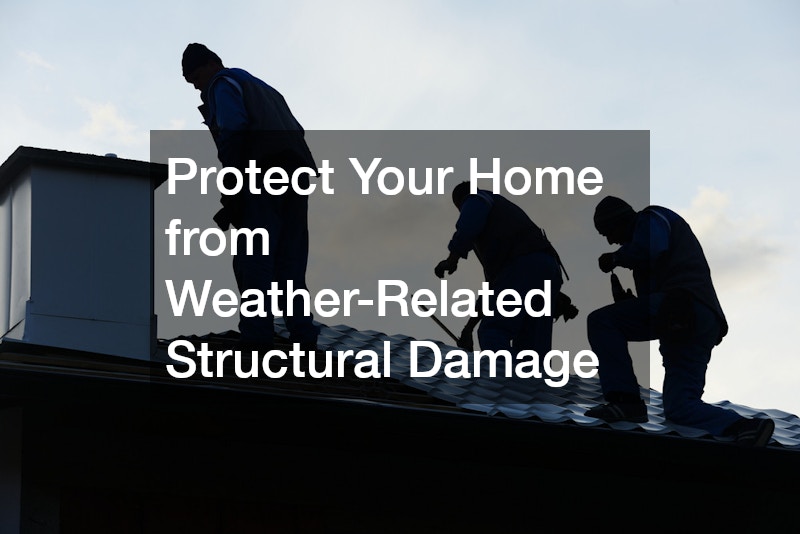
The roof is one of the most important components of any home because it serves as the primary barrier against rain, snow, wind, and extreme temperatures. Even minor roofing issues can allow moisture to enter the structure and create significant damage over time.
Working with a professional roofing company helps homeowners identify potential problems before they develop into major repair projects.
Common warning signs of roofing issues include:
- Missing or damaged shingles
- Water stains on ceilings
- Damaged flashing
- Sagging roof sections
- Granule accumulation in gutters
Routine inspections provide several benefits:
- Early leak detection
- Improved roof lifespan
- Better energy efficiency
- Reduced repair costs
- Greater structural protection
Homeowners should schedule inspections:
- Annually
- After severe storms
- Following hail events
- After high-wind conditions
Preventative maintenance often includes:
- Replacing damaged shingles
- Repairing flashing
- Cleaning debris
- Evaluating ventilation
- Inspecting drainage pathways
A well-maintained roof protects every other component beneath it. Investing in regular inspections and timely repairs helps preserve the home’s structure while reducing long-term ownership costs.
Strengthen Exterior Protection and Improve Energy Performance
Exterior siding does far more than improve appearance. It serves as a protective barrier against moisture, wind, pests, and temperature fluctuations. Damaged or aging siding can compromise both structural protection and energy efficiency.
Working with a qualified siding company can help homeowners evaluate the condition of existing materials and identify opportunities for improvement.
Common signs that siding may need attention include:
- Cracks
- Warping
- Fading
- Loose panels
- Moisture damage
Benefits of maintaining quality siding include:
- Improved weather protection
- Better insulation performance
- Enhanced curb appeal
- Reduced maintenance needs
- Increased property value
Modern siding materials often offer advantages such as:
- Greater durability
- Improved energy efficiency
- Better moisture resistance
- Longer service life
Homeowners should inspect siding regularly for:
- Gaps around seams
- Signs of water intrusion
- Insect activity
- Impact damage
- Paint deterioration
Addressing small siding concerns early can prevent more extensive structural damage while helping maintain a home’s appearance and efficiency.
Manage Renovation and Cleanup Projects More Efficiently
Home repairs, remodeling projects, cleanouts, and exterior improvements often generate large amounts of debris. Without proper waste management, projects can become disorganized, inefficient, and potentially unsafe.
A dumpster rental can simplify cleanup while helping homeowners maintain an organized work area.
Projects that commonly benefit from temporary waste containers include:
- Roof replacements
- Remodeling projects
- Landscaping renovations
- Garage cleanouts
- Estate cleanups
Benefits include:
- Improved jobsite safety
- Faster cleanup
- Better organization
- Reduced transportation needs
- Greater project efficiency
When planning a project, homeowners should consider:
- Expected debris volume
- Project duration
- Available placement space
- Local regulations
- Material disposal requirements
Common materials that may require disposal include:
- Construction debris
- Roofing materials
- Yard waste
- Flooring materials
- Household clutter
Proper waste management helps keep projects on schedule while reducing stress and improving overall efficiency.
Increase Property Value Through Consistent Maintenance and Smart Improvements
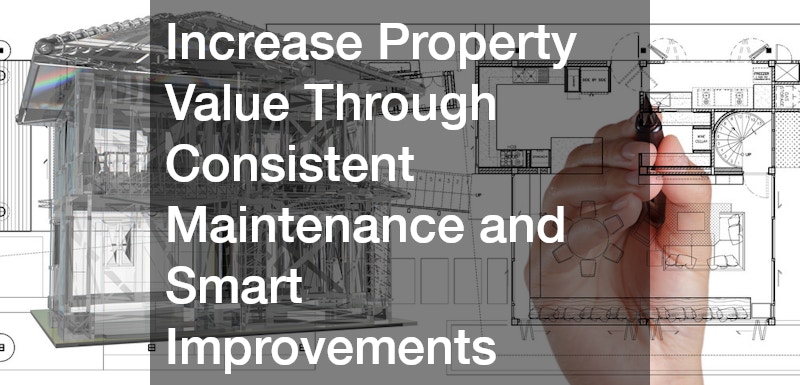
Property value is influenced by much more than square footage and location. Buyers pay close attention to condition, maintenance history, and system reliability.
Homes that demonstrate consistent care often attract stronger interest because buyers perceive them as lower-risk investments.
Features buyers frequently evaluate include:
- Roofing condition
- Mechanical systems
- Plumbing infrastructure
- Exterior appearance
- Energy efficiency
Benefits of proactive maintenance include:
- Better marketability
- Higher buyer confidence
- Fewer inspection concerns
- Stronger resale potential
Maintaining documentation can further support value.
Helpful records include:
- Inspection reports
- Service histories
- Warranty information
- Upgrade documentation
Strategic improvements often provide benefits beyond resale value.
Examples include:
- Improved comfort
- Reduced maintenance requirements
- Better efficiency
- Greater reliability
A home that receives consistent attention tends to perform better, look better, and maintain value more effectively over time.
Conclusion: Building a Safer, More Efficient, and More Valuable Home
Protecting a home requires a long-term commitment to maintenance, planning, and strategic improvements. While it may be tempting to delay repairs until problems become unavoidable, proactive care consistently delivers better outcomes. Small investments in inspections, maintenance, and upgrades often prevent much larger expenses in the future.
Property value benefits from consistent care. Buyers are increasingly interested in homes that demonstrate responsible ownership, documented maintenance histories, and updated systems. A well-maintained property often stands out in competitive real estate markets and may command stronger offers.
Ultimately, protecting a home is an ongoing process rather than a one-time project. Through routine inspections, preventative maintenance, strategic upgrades, and thoughtful planning, homeowners can create living environments that remain comfortable, efficient, safe, and valuable for many years to come.