
Your yard is far more than just a plot of land that borders your property; it is a living, breathing ecosystem, a sanctuary for local wildlife, and a direct extension of your home’s living space. When properly nurtured, an outdoor space rejuvenates the mind, increases property value, and provides a safe haven for relaxation and recreation. Unfortunately, many homeowners find themselves caught in a cycle of fighting their yards rather than enjoying them, dealing with patchy turf, muddy dead zones, overgrown canopies, and persistent pests.
The secret to a thriving outdoor area lies in shifting your mindset from basic maintenance to holistic environmental management. Creating a healthy garden environment requires a thoughtful balance between ecological vitality and intentional structural design. By examining how water flows, how sunlight falls, how soil holds nutrients, and how human structures interact with the natural landscape, you can transform a chaotic or lackluster yard into a resilient oasis. Whether you are starting with a blank slate of bare dirt or looking to revitalize a mature, overgrown property, these actionable strategies will help you build a sustainable, beautiful sanctuary.
Maximize Your Yard’s Potential with Layered Zones

A healthy garden environment begins with an intentional layout that honors the natural characteristics of your land while accommodating your lifestyle. Before buying plants or digging trenches, you must conduct a thorough site analysis. Observe how sunlight moves across your property throughout the day, note areas where strong winds whip through, and identify microclimates created by the shadow of your house or large trees. Designing with these factors in mind ensures that your layout works with nature rather than against it.
Dividing your yard into distinct, functional “rooms” or zones allows you to organize your space efficiently and prevents high-traffic activities from trampling delicate plant beds. A smart layout separates active areas—like play spaces for children or pets—from quiet zones dedicated to meditation, vegetable gardening, or dining.
To implement a highly functional and ecologically sound layout, consider the following actionable strategies:
- Map the Sun and Shade: Spend a weekend tracking where the sun hits at 9:00 AM, 1:00 PM, and 5:00 PM. Group plants with identical light requirements together in dedicated zones to streamline watering and feeding.
- Incorporate Native Flora: Select trees, shrubs, and perennials that are indigenous to your region. Because these plants have evolved to survive in your local climate and soil conditions, they require significantly less supplemental watering and are naturally resistant to local diseases.
- Integrate Hardscape and Softscape: Ensure your physical structures blend seamlessly with your green spaces. Utilizing a professional landscape design strategy helps establish visual balance, ensuring that hard surfaces do not overwhelm the living elements of your garden.
- Establish Clear Walkways: Design intuitive paths that guide foot traffic naturally through the yard. Working with expert patio builders allows you to construct durable, beautiful outdoor flooring that serves as a transition zone between the interior of your home and the wilder edges of your garden.
Nourish Your Roots from the Ground Up
The true foundation of any vibrant garden is completely invisible to the naked eye. Soil is not merely dirt; it is a complex biological network teeming with microbes, earthworms, fungi, and essential nutrients. When soil becomes compacted, depleted, or chemically imbalanced, plants cannot absorb the water and minerals they need to fight off diseases or survive harsh weather. To build a resilient garden, you must prioritize underground health.
Regularly assessing and amending your soil prevents the common pitfalls of over-fertilization, which can burn plant roots and pollute local waterways. Healthy soil should have a crumbly texture that retains moisture while allowing excess water to drain away freely, giving roots plenty of access to oxygen.
Transform your soil into a nutrient-rich powerhouse by adopting these fundamental maintenance habits:
- Test Your Soil Chemistry: Obtain a soil testing kit from a local university extension office once a year. This test reveals your soil’s exact pH level and nutrient deficiencies, allowing you to apply targeted amendments rather than guessing.
- Aerate Compacted Areas: Heavy foot traffic and clay-heavy soils compress the earth, locking out air and water. Perform a deep lawn treatment by core-aerating your turf every spring or fall, pulling up small plugs of soil to let the ground breathe and absorb nutrients efficiently.
- Apply Organic Matter Continuously: Supplement your garden beds with rich compost to feed the subterranean ecosystem. Spreading a thick layer of organic material via a professional mulch service protects the soil surface from erosion, regulates underground temperatures, suppresses weed growth, and slowly releases vital nutrients back into the earth as it breaks down.
- Practice Minimal Tilling: Avoid aggressively churning your garden beds every year. Heavy tilling disrupts beneficial fungal networks and brings buried weed seeds to the surface where they can easily germinate.
Build Robust Walkways and Solid Underpinnings

While plants provide the life and color in a garden, the hard structural elements provide longevity, accessibility, and critical water management. Improperly installed pathways, retaining walls, or perimeters can lead to severe environmental issues, such as soil erosion, stagnant pools of standing water, or water damage to your home’s foundation. Properly managing the physical framework of your yard guarantees that your garden remains stable through heavy rain and changing seasons.
Water drainage should be a top priority when installing any hard surface. Whenever rain falls on a non-porous material, it must go somewhere. If your yard is not graded correctly, that water will pool in low spots, drowning plant roots and creating breeding grounds for mosquitoes.
Construct a durable, well-draining foundation for your outdoor environment with these structural guidelines:
- Grade for Correct Water Flow: Ensure all land slopes gently away from your home and primary garden beds. Utilizing professional concrete services ensures that your driveways, patios, and major walkways are poured with the exact pitch required to divert rainwater into designated drainage swales or rain gardens.
- Incorporate Permeable Materials: Whenever possible, choose gravel, interlocking pavers, or stepping stones for secondary pathways. These materials allow rainwater to sink directly into the ground, recharging the water table and reducing harmful surface runoff.
- Define Property Boundaries Strategically: Install sturdy perimeters to shield your delicate plants from harsh winds and to establish clear visual borders. Consulting with expert fence builders allows you to choose materials and designs that provide privacy and windbreak protection while complementing the natural aesthetic of your landscape.
- Install Retaining Walls on Slopes: If your property features steep hills, use terraced retaining walls to hold the earth in place, preventing heavy rains from washing away valuable topsoil and exposing plant roots.
Prune for Sunlight Penetration and Structural Strength

The upper canopy of your yard dictates how much life can thrive underneath it. Large, mature trees provide invaluable shade, reduce cooling costs for your home, and offer nesting sites for local birds. However, when trees are neglected, they can become crowded with deadwood, block essential sunlight from reaching your lawn, and pose severe safety hazards during storms. Managing the health of your trees ensures the entire ecosystem below receives the resources it needs.
Proper pruning is an art and a science that involves removing the correct branches at the right time of year to stimulate healthy growth patterns. Thinning out a dense tree canopy allows the wind to pass through safely, reducing the risk of a tree blowing over in high winds, while simultaneously letting dappled sunlight reach the grass and shrubs below.
Keep your upper canopy safe, healthy, and beautifully integrated using these specialized tree care steps:
- Remove the Three Ds: Inspect your trees regularly for branches that are dead, damaged, or diseased. Eliminating these problematic limbs prevents decay from spreading deeper into the main trunk of the tree.
- Clear Crucial Clearances: Keep a close eye on branches that grow too close to your roofline, chimney, or overhead utility lines. Hiring a qualified tree trimming service ensures these dangerous limbs are removed safely without causing damage to your home or shocking the tree.
- Improve Air Circulation: Thin out the interior branches of dense tree crowns. Better airflow through the branches reduces the humidity levels within the foliage, which dramatically cuts down on the development of fungal leaf diseases.
- Prune During Dormancy: Whenever possible, schedule major structural pruning for the late winter or early spring before the tree buds. Pruning while the tree is dormant minimizes sap loss and reduces the risk of insect infestation at the wound sites.
Extend Your Living Space into the Evening Safely
A truly healthy garden environment remains functional, inviting, and safe long after the sun goes down. Lighting and heating elements turn a daytime garden into an enchanting evening retreat, allowing you to maximize the time you spend outdoors connecting with nature and family. However, integrating power and fire into an outdoor environment requires strict adherence to safety protocols to prevent accidents and protect your plant life.
Outdoor utilities must be designed to withstand moisture, shifting soil, and fluctuating temperatures. Poorly planned installations can pose fire hazards or result in underground electrical shorts that disrupt your garden’s infrastructure. By installing durable, weatherproof systems, you create an ambient, low-stress environment for nighttime relaxation.
Design a safe and cozy nocturnal sanctuary by applying these functional outdoor living tips:
- Install Low-Voltage Ambient Lighting: Use subtle, low-voltage LED lights to illuminate walkways, stairs, and structural hazards. Partnering with certified electricians ensures that your outdoor outlets are equipped with Ground Fault Circuit Interrupters (GFCIs) and that all wiring is buried at the legally required depths to prevent accidental shovel strikes.
- Design a Dedicated Warmth Zone: Create a beautiful focal point for cold weather gatherings that naturally draws people outside. Incorporating custom outdoor fireplaces into your design provides cozy warmth and ambient light without scorching your lawn or putting nearby overhanging tree branches at risk.
- Practice Downlighting to Protect Wildlife: Avoid pointing bright spotlights directly up into the sky or into the dense foliage of trees. Utilizing downlighting techniques minimizes light pollution, which preserves the natural circadian rhythms of nocturnal birds and beneficial insects in your yard.
- Use Heavy-Duty, Weatherproof Components: Ensure all light fixtures, switches, and extension cords are explicitly rated for permanent outdoor use to prevent moisture intrusion and premature wear.
Balance the Ecosystem by Controlling Destructive Bugs
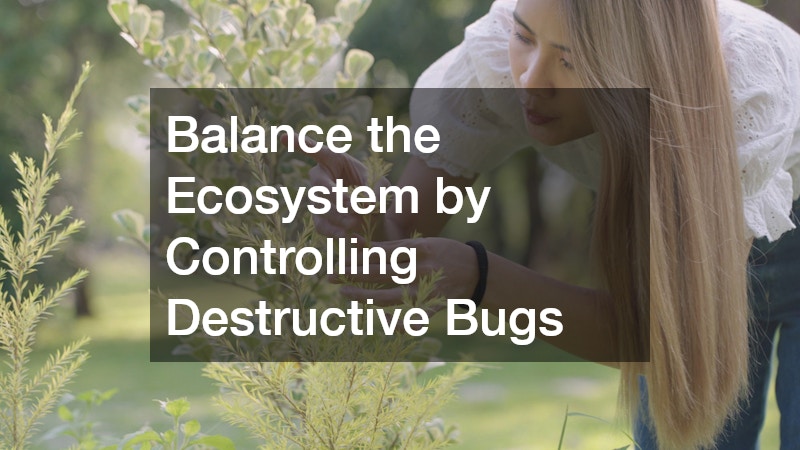
A healthy garden is never completely sterile; it is filled with insect life. The vast majority of insects in your yard are either completely harmless or highly beneficial, serving as pollinators that help flowers bloom or as natural predators that eat destructive pests. The goal of a healthy yard is not to eradicate all bug life, but rather to manage the environment so that harmful pests do not overwhelm your plants or threaten your family’s health.
Relying exclusively on harsh, broad-spectrum chemical sprays can backfire by wiping out ladybugs, bees, and butterflies, leaving your garden defenseless when resilient pests return. Embracing a balanced approach protects the delicate biological equilibrium of your outdoor space.
Maintain a balanced, healthy insect population through these targeted management practices:
- Embrace Companion Planting: Group specific plants together to naturally repel unwanted insects. For example, planting marigolds, basil, or mint alongside your vegetables can deter destructive aphids and beetles with their strong natural aromas.
- Eliminate Standing Water: Prevent mosquitoes from breeding on your property by regularly emptying birdbaths, cleaning out clogged gutters, and ensuring that toys or flowerpot saucers do not collect rainwater.
- Invite Natural Predators: Build a welcoming environment for birds, frogs, and bats, which consume thousands of flying insects every night. Installing birdhouses, bat boxes, and diverse shrubbery provides these helpful creatures with the shelter they need to hunt effectively.
- Seek Targeted Solutions for Heavy Infestations: When destructive pests like termites, ticks, or fleas threaten your home’s structure or your family’s well-being, generic sprays are rarely sufficient. Engaging a professional pest control company allows you to deploy highly targeted, eco-conscious interventions that eradicate the specific threat while minimizing harm to your garden’s beneficial organisms.
Creating a healthy garden environment is an ongoing, rewarding journey that transforms your relationship with your home’s outdoor surroundings. A truly vibrant yard is not achieved through a single weekend project or by relying on heavy chemical fixes; rather, it is built through consistent, thoughtful stewardship of the land. By viewing your yard as an interconnected ecosystem, every choice you make—from the way you design your walkways to the manner in which you feed your soil—plays a vital role in the health of the entire property.
When you invest the time to optimize your spatial layout, nourish the subterranean soil web, manage water drainage, care for your trees, install safe outdoor utilities, and manage pests with ecological awareness, you are creating a resilient sanctuary that will thrive for generations. The effort you put into balancing human comfort with natural harmony pays massive dividends in beauty, biodiversity, and peace of mind. Step outside this weekend, evaluate your yard with fresh eyes, and pick just one area to begin your garden’s transformation.