Residential real estate remains one of the largest financial investments most people will make in their lifetime. While many homeowners naturally lean toward decorative improvements like kitchen backsplashes, quartz countertops, or new paint colors, cosmetic upgrades rarely protect a property from structural decay or financial devaluation. The true value of a home depends heavily on its core infrastructure: the roof that defends against weather, the climate systems that regulate moisture and temperature, the electrical grid that powers modern living, and the underground plumbing that manages waste and stormwater.
When foundational or mechanical components fail, the resulting collateral damage can eliminate tens of thousands of dollars in accumulated equity overnight. Water intrusion can compromise load-bearing timber, hidden sewer leaks can undermine concrete slabs, and improper site drainage can destroy retaining walls and basements. By taking a proactive approach to property maintenance and strategic structural upgrades, you safeguard your home against unexpected failures, ensure long-term physical durability, and maintain maximum market appeal when it comes time to sell. This guide outlines five essential operational domains where targeted home upgrades deliver high protective returns and preserve long-term property equity.
Strengthening the Overhead Shield Against Weather and Water Damage
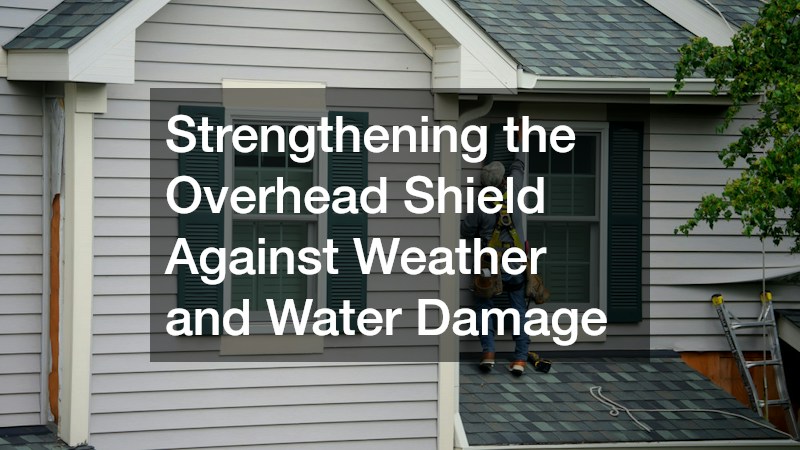
The primary defense against ambient weather, thermal transfer, and severe storms is your roofing system. Because a roof is constantly exposed to ultraviolet radiation, expansion and contraction cycles, and driving precipitation, it deteriorates steadily over time. Failing to catch minor roof defects early allows water to penetrate structural decking, rot rafters, ruin insulation performance, and foster hidden mold growth inside wall cavities.
Conducting Comprehensive Structural Roof Audits
A thorough inspection regimen is the first step toward extending the life of your roof. While homeowners can perform basic ground-level observations using binoculars, comprehensive evaluations require stepping onto the roof surface and entering the attic space.
- Shingle Degradation: Look for curling edges, bald spots where asphalt granules have washed away, and cracked shingles along roof hips and valleys.
- Flashing Integrity: Inspect the metal flashing around chimneys, plumbing vents, skylights, and dormer step joints to ensure sealant hasn’t dried out or separated.
- Attic Inspection: Examine the underside of the roof decking from inside the attic after heavy rainfall. Look for water staining, rusted nails, soft wood, or daylight showing through boards.
When visible signs of deterioration appear—such as widespread granule loss in gutters or persistent ceiling stains—it is time to bring in professional assistance. Partnering with a licensed residential roofing contractor ensures that subtle framing issues, hidden underlayment failures, and attic ventilation imbalances are identified before they cause costly structural damage.
Selecting Durable Materials for Long-Term Roof Performance
When simple repairs are no longer sufficient to secure the building envelope, investing in a full roof replacement provides long-term protection. The materials you select dictate not only the home’s weather resistance but also its future resale appeal and home insurance premiums.
- Architectural Asphalt Shingles: Offer dimensional depth and superior wind resistance (up to 130 mph) compared to standard 3-tab shingles, typically lasting 25 to 30 years.
- Metal Roofing: Standing-seam metal panels provide exceptional durability against hail, fire, and heavy snow loads, often lasting 50 years or more while reflecting solar heat.
- Underlayment Upgrades: Replaces traditional felt paper with synthetic water-resistant underlayment and self-adhering ice-and-water shields along eaves and valleys.
Choosing appropriate materials is only half the equation; installation quality determines whether a roof lasts its full rated lifespan. Working with an established roofing contractor guarantees that factory warranty requirements are met, local building codes for wind resistance are followed, and proper flashing integration occurs across every penetration.
Enhancing Curb Appeal and Outdoor Living Usability
A property’s market value is heavily influenced by how effectively outdoor square footage is utilized and maintained. Modern buyers view yards, patios, and decks as direct extensions of indoor living spaces. Upgrading exterior features not only expands functional square footage but also shields exterior building materials from weather degradation.
Extending Covered Living Areas for All-Weather Use
Open-air patios and decks are constantly exposed to direct sunlight, rain, and debris. Over time, UV rays break down wood sealants, warp decking boards, and cause patio furniture to deteriorate. Installing overhead coverage turns an exposed slab into a protected, functional outdoor living zone.
- Insulated Roof Panels: Block direct solar thermal radiation, creating a significantly cooler ambient environment underneath during peak summer months.
- Integrated Drainage: Built-in gutter systems direct rainwater away from the home’s foundation walls rather than letting it spill onto the slab perimeter.
- Screening Systems: Motorized or fixed screens keep insects out while providing wind abatement during stormy weather.
When planning an overhead addition, structural attachment is critical. Engaging a professional canopy enclosure service ensures the new structure is anchored securely to existing house framing or concrete footings without creating water trap points along your exterior siding or fascia.
Revitalizing Exterior Hardscapes and Siding Durability
Dirt, grime, lichen, and algae accumulate on exterior surfaces over time. Beyond looking unsightly, organic growth retains moisture against building materials. Algae makes concrete walkways slippery, while moss lifts shingles and breaks down timber fibers on wooden decks.
- Concrete and Paver Restoration: Deep-cleaning driveways and sidewalks removes automotive oils and organic stains while preparing surfaces for penetrating sealers.
- Soft Washing Siding: Low-pressure chemical cleaning removes mold and mildew from vinyl, stucco, and painted wood siding without stripping paint or forcing water behind wall assemblies.
- Deck Prep and Staining: Washing away degraded wood fibers restores timber grain, allowing fresh oil-based stains to penetrate deep into the wood matrix.
Improper cleaning equipment can quickly slice through wood decking, etch permanent wand lines into concrete, or blow seals around exterior window frames. Hiring an experienced pressure washing company ensures that correct pressure levels and specialized cleaning solutions are applied safely across different exterior building surfaces.
Securing Climate Control and Uninterrupted Power
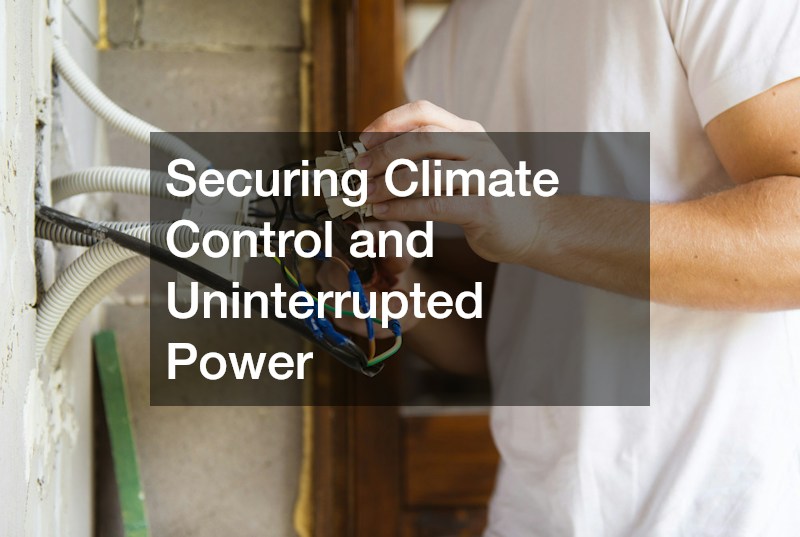
Modern homes rely heavily on continuous electrical power and precise climate regulation. Extreme weather events, summer heatwaves, and winter freeze cycles place immense stress on mechanical systems and public utility grids. Upgrading these mechanical systems preserves internal climate conditions, protects property during power outages, and keeps utility expenses manageable.
Safeguarding Essential Circuits with Standby Power Systems
Severe weather can disrupt municipal power grids for hours or days. A prolonged blackout is more than an inconvenience; it can cause basement sump pumps to fail during heavy rains, leading to severe flooding, food spoilage in refrigeration units, and frozen indoor pipes during winter months.
- Automatic Transfer Switches: Permanently wired systems detect a grid failure within seconds, automatically starting the generator and switching home electrical loads over smoothly.
- Fuel Line Integration: Standby systems run on natural gas or liquid propane lines, eliminating the need to store and manually refill gasoline tanks during extended emergencies.
- Priority Circuit Coverage: Allows home mechanics to run crucial appliances, including HVAC systems, well pumps, security networks, and medical devices.
Installing a whole home generator protects the physical building during severe weather grid failures, preserves stored perishables, and serves as a major selling point for future homebuyers who prioritize energy security.
Optimizing HVAC Performance and Indoor Air Quality
Heating and cooling equipment represents one of the largest ongoing energy expenditures in residential properties. As central air conditioning units age, compressor efficiency drops, electrical components wear down, and refrigerant lines can develop micro-leaks.
- Airflow Optimization: Inspecting and sealing ductwork joints prevents conditioned air from escaping into unconditioned attic or crawl spaces.
- Coil Cleaning and Care: Keeping evaporator and condenser coils free from dirt and debris ensures efficient heat transfer and lowers compressor operating temperatures.
- Thermostat Controls: Upgrading to smart programmable thermostats reduces unnecessary mechanical run-time when the home is unoccupied.
Ignoring minor operational hiccups—such as strange squealing noises, warm air coming from vents, or short cycling—can rapidly lead to total compressor failure. Scheduling timely AC repairs when performance issues first appear prevents cascade failures, maintains indoor air quality, and extends the operational lifespan of expensive mechanical equipment.
Modernizing Underground Waste and Plumbing Infrastructure
The plumbing systems buried beneath your lawn and slab foundation are easy to overlook because they are out of sight. However, underground pipe failures cause some of the most expensive property repairs a homeowner can face. Upgrading and maintaining underground waste systems prevents structural soil saturation, foundation movement, and raw sewage backups into residential living areas.
Upgrading Rural Waste Systems to Modern Standards
For properties not connected to municipal sewer grids, the septic system is the single most critical waste management component. Older concrete or steel septic tanks can crack, corrode, or become overwhelmed as family sizes expand or home additions are built.
- Perc Testing and Design: Professional soil testing determines the soil’s absorption rate, dictating whether a standard gravity-fed system or an engineered mound system is required.
- Modern Tank Construction: Installing durable polyethylene or reinforced concrete tanks prevents structural collapse and groundwater contamination.
- Advanced Drainfield Distribution: Utilizing plastic chamber technology or drip irrigation improves effluent dispersal, extending the life of the absorption area.
When replacing or upgrading an outdated system, working with a qualified septic tank installation service ensures that state environmental regulations, proper tank sizing, and accurate distance setbacks from water wells and property boundaries are strictly maintained.
Restoring Main Sewer Lines Without Destructive Digging
Properties connected to municipal sewers rely on a single main sewer lateral to carry wastewater away. Over time, cast iron pipes rust and scale, clay pipes crack under ground movement, and invasive tree roots enter pipe joints seeking water.
- HD Camera Diagnostics: Pushing a specialized camera down the line identifies precise locations of root blockages, pipe sags, or structural cracks.
- Cured-in-Place Pipe (CIPP) Lining: A resin-saturated felt tube is pulled into the damaged pipe and inflated, curing into a seamless, joint-free pipe-within-a-pipe.
- Pipe Bursting: A hydraulic head breaks the old pipe outward while simultaneously pulling a new high-density polyethylene (HDPE) pipe into the same trench.
Investing in modern sewer rehabilitation methods restores main waste line flow capacity and structural integrity for decades without forcing you to dig up mature landscaping, concrete driveways, or exterior hardscape features.
Managing Site Drainage and Earthworks Stability
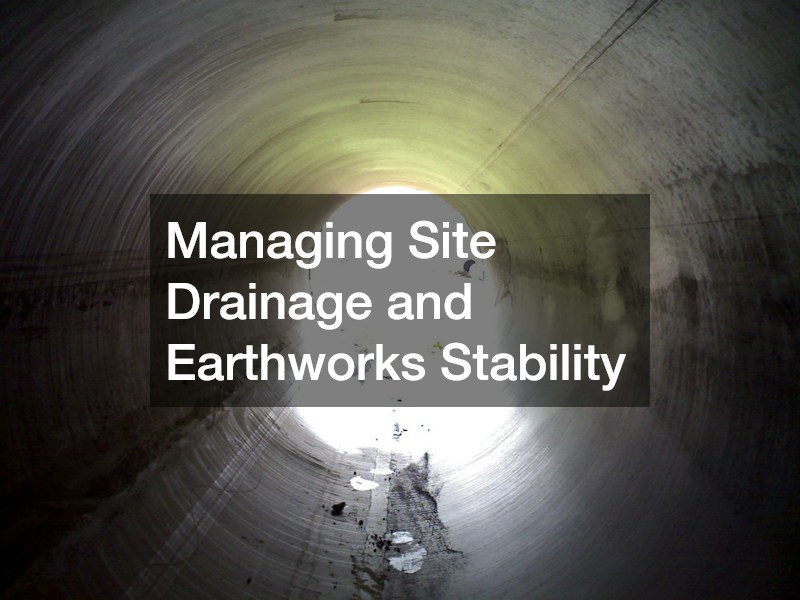
Water is the single greatest threat to a building’s foundation. When heavy rain, roof runoff, or surface groundwater is allowed to pool around foundation walls, it creates hydrostatic pressure. Over time, this pressure forces water through concrete pores, cracks basement walls, causes slab settling, and creates damp environments where toxic mold thrives.
Resolving Persistent Main Line Blockages Proactively
Before surface water can even reach outside drainage systems, interior waste lines must function smoothly. Over years of daily use, organic sludge, hair, scale, and grease build up inside branch drain lines, reducing their internal diameter and causing slow drainage.
- Hydro-Jetting: Using high-pressure water streams (up to 4,000 PSI) to scrub inner pipe walls clean, removing grease and light scale without damaging sound pipes.
- Mechanical Snaking: Utilizing heavy-duty rotating cables to break up solid obstructions and root bundles in smaller branch lines.
- Camera Checks: Confirming that cleared lines are free of structural defects or lingering debris after cleaning.
Relying on store-bought chemical drain cleaners can corrode older metal pipes and rarely solves deep line blockages. Calling an established drain cleaning company ensures that stubborn clogs are safely removed, restoring full pipe capacity without damaging interior plumbing lines.
Grading Property Grounds to Divert Surface Water
Once interior drains are clear, managing exterior surface water around the perimeter of the home becomes the top priority. Proper site grading ensures that rainwater moves away from foundation walls naturally rather than pooling around footings.
Correcting major drainage issues often requires moving large volumes of soil, reshaping yard contours, and digging deep utility trenches. Hiring an experienced excavating contractor ensures that land grading is executed precisely without damaging hidden underground utilities, gas lines, or nearby tree root systems.
Summary of Essential Property Maintenance Strategies
Protecting your home’s long-term market value requires looking beyond surface aesthetics to invest in fundamental structural and mechanical upgrades. By systematically evaluating your property’s overhead protection, outdoor living spaces, climate equipment, waste infrastructure, and perimeter site drainage, you eliminate hidden vulnerabilities before they turn into costly disasters.
Using This Guide for Home Upgrades

Managing residential real estate successfully requires balancing visual appeal with proactive infrastructure management. Upgrades that defend against water intrusion, stabilize utility access, ensure structural integrity, and maintain proper waste disposal pay high dividends over time. While granite countertops and custom paint can help attract initial interest during open houses, solid mechanical systems, clean plumbing lines, and a watertight roof seal the sale and preserve home equity.