Home remodeling is often viewed as a way to update the appearance of a space, but its impact goes far beyond visual improvements. A well-executed remodeling project not only enhances the aesthetic appeal of a home but also significantly boosts its functionality and efficiency. Thoughtful remodeling decisions have the power to shape how a home functions on a daily basis, streamlining routines, ensuring comfort, and optimizing system performance. For homeowners planning long-term improvements, it becomes crucial to focus on making changes that will consistently provide value over time rather than chasing fleeting short-term trends. Prioritizing elements such as comfort, durability, and functionality can transform remodeling projects into investments that support a practical and enjoyable living environment long into the future. Such considerations ensure the home remains not just an abode but a sanctuary tailored to the evolving needs of its inhabitants.
Long-term comfort arises from a well-balanced combination of smart design choices and high-quality materials that effectively come together to meet everyday needs. Whether you’re updating a single room, like a kitchen or bathroom, or embarking on a more extensive renovation that encompasses multiple areas of the home, it’s vital for homeowners to meticulously consider how each modification will impact aspects such as movement, storage capacity, lighting quality, and overall usability of the space. By thoughtfully planning ahead, homeowners can reduce the likelihood of needing future adjustments, thereby crafting a living space that seamlessly adapts to changing needs over time. With clear focus and intent on achieving long-term goals, remodeling transcends being merely a structural change, becoming a meaningful investment in both the home’s infrastructure and the vibrant lifestyle it supports. Consequently, it’s not just about maintaining a structure but enhancing the everyday experiences of those who reside within its walls, thus truly turning a house into a home.
Planning Efficient Kitchen Layouts
Selecting Durable Countertop Materials
Countertops are one of the most frequently used surfaces in any home, especially in kitchens and bathrooms. Because of this, durability is a key factor when selecting materials that will hold up over time. Surfaces that are prone to scratching, staining, or wear may require more maintenance and replacement, which can affect both convenience and long-term value. Choosing materials that are built to last helps support a more reliable and low-maintenance environment.
Installing a granite countertop can provide a durable and long-lasting surface that supports daily use. Granite is known for its strength and resistance to heat and scratches, making it a practical option for high-traffic areas. Proper sealing and maintenance can help preserve its appearance while allowing it to perform well over time. By selecting materials that combine durability with visual appeal, homeowners can create spaces that remain functional and attractive without frequent repairs or updates.
Improving Window Efficiency and Coverage
Windows play a significant role in both comfort and energy efficiency within a home. They affect how much natural light enters a space, how well indoor temperatures are maintained, and how private a room feels throughout the day. Without proper coverage, windows can allow excessive heat during warmer months or let warmth escape during colder seasons. This can make certain areas of the home less comfortable and increase the demand on heating and cooling systems over time.
Installing custom window treatments can help improve both functionality and comfort by providing better control over light and insulation. These treatments can be tailored to fit specific window sizes and styles, offering a more precise solution than standard options. They can also help reduce glare, improve privacy, and support more consistent indoor temperatures. By selecting window coverings that align with both design and performance needs, homeowners can create a more comfortable and energy-efficient environment that adapts well to different seasons.
Refreshing Interior Walls and Finishes
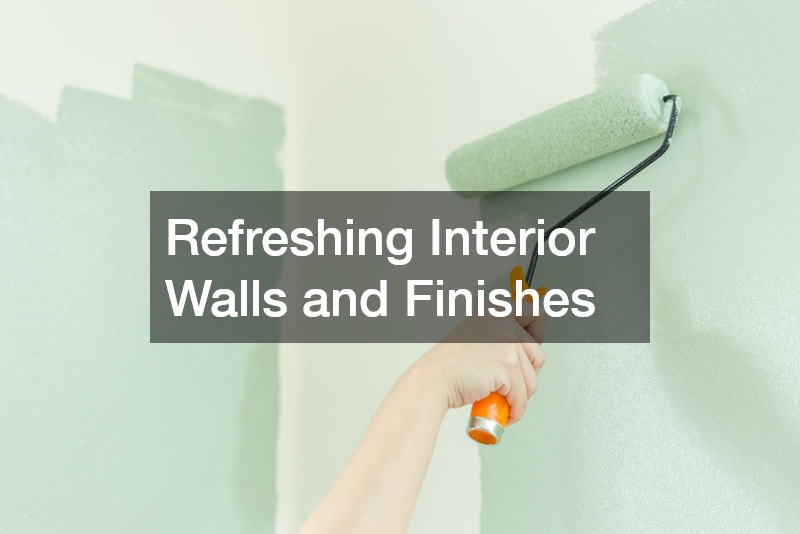
Interior walls have a strong influence on how a home looks and feels. Over time, paint can fade, surfaces can become worn, and minor imperfections may become more noticeable. These changes can make a space feel less inviting, even if the overall structure is still in good condition. Updating wall finishes is one of the most effective ways to refresh a room without making major structural changes, helping to improve both appearance and comfort.
Working with a painter can help homeowners achieve a more polished and consistent result. Professional application techniques, proper surface preparation, and the use of suitable materials all contribute to a longer-lasting finish. Updating colors can also influence how a space feels, making rooms appear brighter, more open, or more cohesive. By maintaining interior walls and finishes, homeowners can create a more comfortable and visually appealing environment that supports long-term satisfaction.
Upgrading Entryways and Interior Doors
Doors are often overlooked during remodeling, but they play an important role in both functionality and comfort. Entryways and interior doors affect privacy, security, and how easily people move throughout the home. Worn or outdated doors can create drafts, reduce energy efficiency, and make spaces feel less secure. Improving these elements can contribute to a more comfortable and reliable living environment.
Working with a door company can help homeowners select and install doors that better meet their needs. This may include upgrading materials, improving insulation, or choosing designs that complement the overall style of the home. Properly installed doors can help reduce noise, improve temperature control, and enhance security. By focusing on entryways and interior doors, homeowners can make meaningful improvements that support both daily comfort and long-term performance.
Enhancing Cabinet Function and Style
Cabinetry plays an essential role in both storage and overall design, especially in kitchens, bathrooms, and utility areas. Over time, cabinets can become less functional due to outdated layouts, worn components, or limited accessibility. When cabinets are difficult to open, lack organization, or fail to meet current needs, they can make daily routines more frustrating. Improving cabinet function helps create a more efficient space while also contributing to a cleaner and more cohesive appearance.
Upgrading elements such as cabinet hardware can make a noticeable difference in how cabinets perform and look. Handles, knobs, hinges, and drawer slides all contribute to ease of use and overall durability. Replacing outdated or worn hardware can improve accessibility while also refreshing the visual appeal of the space. Thoughtful updates can help cabinets better support storage needs, reduce strain during daily use, and create a more polished finish that aligns with long-term remodeling goals.

Maintaining Clean and Comfortable Flooring
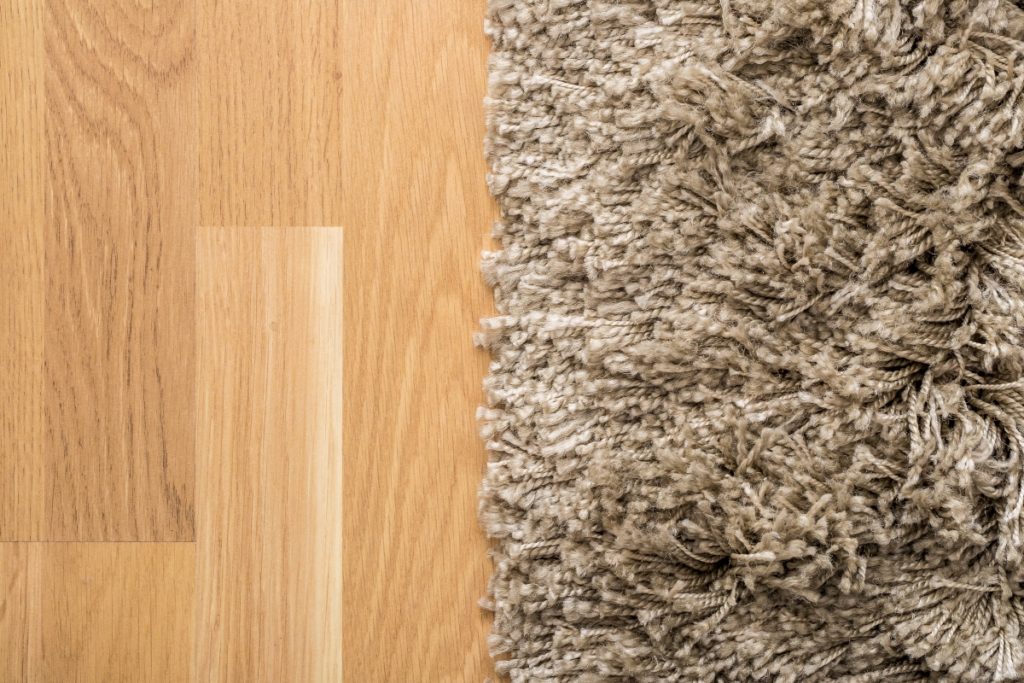
Flooring is one of the most heavily used surfaces in a home, and its condition directly affects both comfort and appearance. Over time, dirt, debris, and everyday wear can cause floors to lose their original look and feel. This can make a space feel less inviting and may even affect indoor air quality if not properly maintained. Regular care is essential to preserve both the durability and comfort of flooring materials, especially in high-traffic areas.
Scheduling routine carpet cleaning can help maintain a cleaner and more comfortable environment. Professional cleaning removes deep-set dirt and allergens that may not be addressed through regular vacuuming. This helps restore the texture and appearance of carpets while also supporting better air quality within the home. By keeping flooring well-maintained, homeowners can extend its lifespan and create a more pleasant living space that remains functional and attractive over time.
Designing Custom Interior Pieces
Personalized design elements can significantly improve how a home functions and feels. Standard furniture and built-in features may not always meet specific needs, especially in homes with unique layouts or limited space. Custom interior pieces allow homeowners to create solutions that better match their lifestyle, whether that involves improving storage, maximizing space, or enhancing comfort. These tailored elements can help make a home feel more organized and adaptable.
Working with custom furniture makers allows homeowners to design pieces that fit their exact requirements. This may include built-in shelving, seating, or multifunctional furniture that serves more than one purpose. Custom designs can help make better use of available space while also aligning with the home’s overall style. By incorporating personalized features, homeowners can create a more functional and comfortable environment that supports long-term living needs.
Improving Outdoor Comfort and Seating
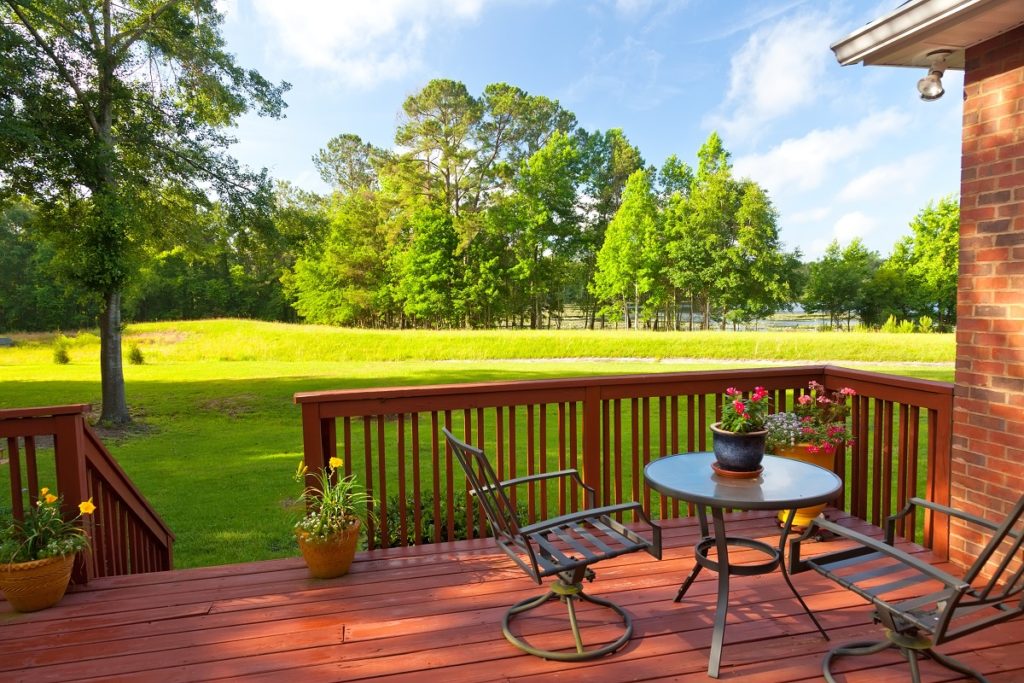
Outdoor spaces can contribute significantly to long-term comfort when they are designed with usability in mind. A backyard or patio that lacks comfortable seating may not be used as often, even if the space itself is well-maintained. Without proper seating options, it can be difficult to relax, entertain guests, or spend extended time outdoors. Creating comfortable and supportive seating areas helps transform outdoor spaces into functional extensions of the home.
Incorporating features such as chaise lounge cushions can improve both comfort and usability in these areas. Cushions designed for outdoor use provide additional support while also helping to enhance the overall appearance of the space. Durable materials that resist weather conditions can help maintain comfort over time without frequent replacement. By focusing on seating improvements, homeowners can create outdoor environments that feel more inviting and suitable for everyday use.

Updating Interior Surfaces and Accents
Interior surfaces and decorative elements play a key role in shaping the atmosphere of a home. Over time, walls and accent features may begin to feel outdated or less aligned with current preferences. Even small updates can have a noticeable impact on how a space looks and feels, making it more cohesive and comfortable. Refreshing these elements allows homeowners to improve visual appeal without making major structural changes.
Using options such as living room wallcovering can help enhance interior spaces with added texture and design. Wallcoverings can introduce patterns, colors, and finishes that complement existing décor while creating a more refined look. They can also help conceal minor imperfections on walls and provide a longer-lasting alternative to paint in certain areas. By updating interior surfaces thoughtfully, homeowners can create a more comfortable and visually appealing environment that supports long-term satisfaction.
Home remodeling is most effective when it emphasizes long-term comfort and functionality rather than settling for superficial, short-term updates. By making thoughtful and well-considered decisions regarding layout, materials, systems, and design elements, homeowners can curate living spaces that greatly enhance daily life in the most efficient and enjoyable manner. Each improvement, no matter how large or small, significantly contributes to the overall experience of the home. These enhancements not only serve to augment the aesthetics and utility of the living space but also help in minimizing the need for constant adjustments or costly repairs as time progresses.
Engaging in a proactive approach to remodeling empowers homeowners to design a space that seamlessly adapts to their evolving needs while simultaneously preserving its intrinsic value and maintaining optimal usability. Whether it involves refreshing interiors, revamping key outdoor areas, or integrating sustainable elements, every detail plays a crucial role in the creation of a more comfortable and practical environment. By prioritizing the finest qualities of durability, energy efficiency, and intelligent design choices, homeowners can realize results that stand the test of time, continuing to offer substantial benefits and satisfaction well into the future. This forward-thinking mindset ensures that the home remains a haven of comfort and adaptability, serving the diverse needs of its occupants from one generation to the next.